Isola, FR: 02/04/18

jamesdeluxe

Administrator
Staff member
A few years back while reading the German-language Alpinforum -- where I steal all my ideas for off-the-beaten-path ski areas in the Alps -- I noticed a number of enticing trip reports from France’s Maritime Alps region, just north of Nice. Like most of us on this side of the Atlantic, I don’t instinctively connect the Côte d'Azur/Riviera with skiing, but those reports made me realise that the region had more than enough for a week-long road trip, with views of the Mediterranean on clear days as a value-added bonus. I've been looking forward to this not only as a skier but also because more than three decades ago as an undergrad I spent a half year in Nice and hadn’t been back since.

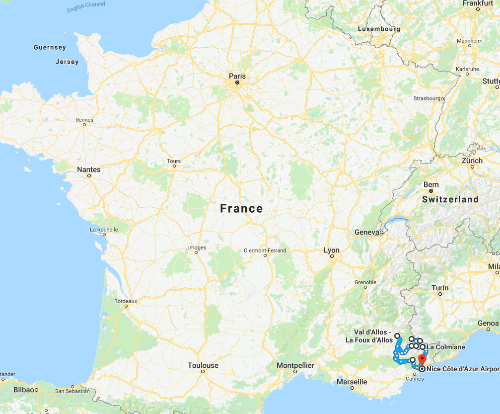
Here's the route in the extreme southeastern corner of France:
Alpes_Maritimes_Itinerary_Large.png


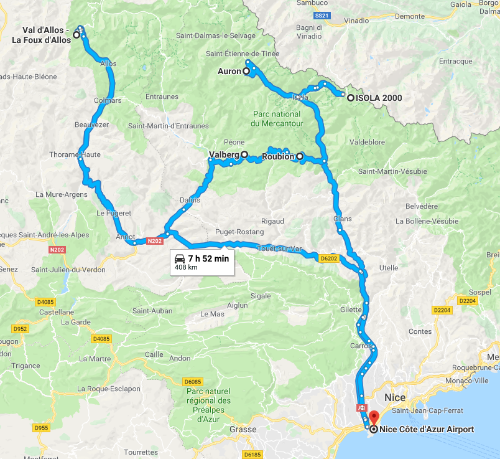
And a close-up of the itinerary with Nice Airport as the gateway and my five stops:
Zoom In Maritimes Map.png


After a very brief (that's putting it nicely) change of planes in Zurich, I arrived in Nice at 10 am. Just walking through the airport, which is directly on the Mediterranean and decorated with plants from the region, was an odd feeling -- kinda like arriving in southern Florida for a ski trip. I got my car and headed north on Autoroute 8, the Route de Grenoble:
Autoroute Nice.JPG


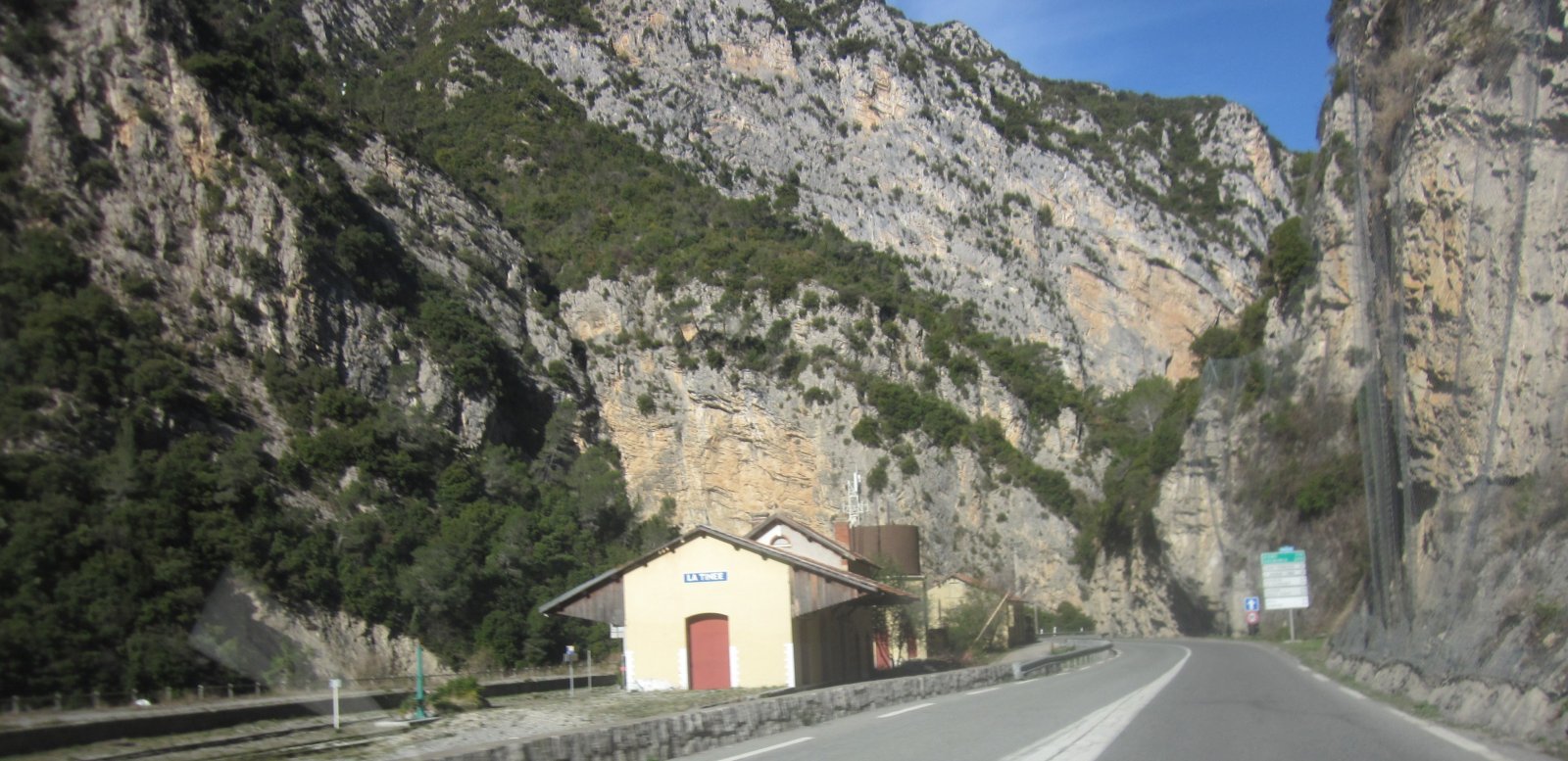
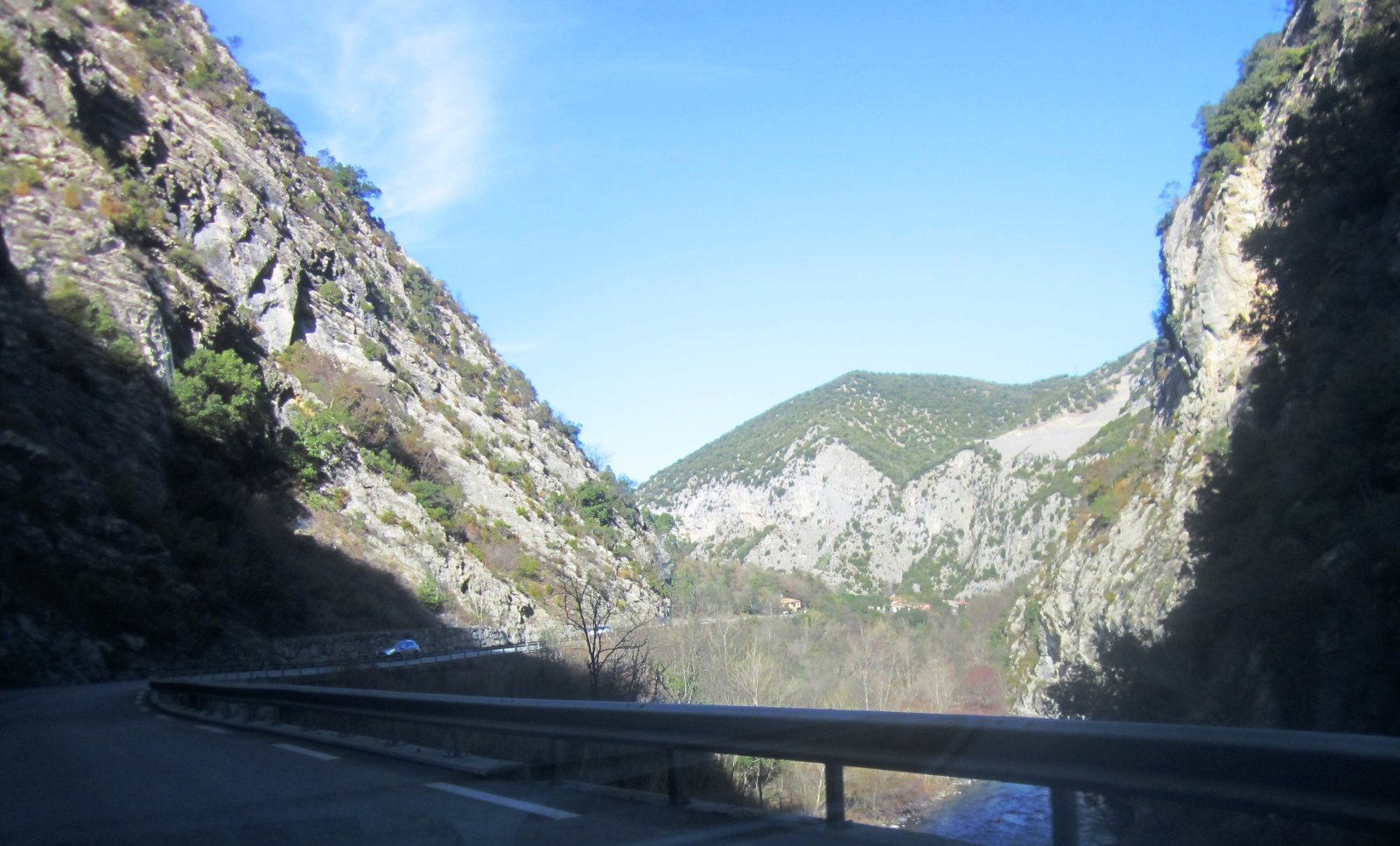
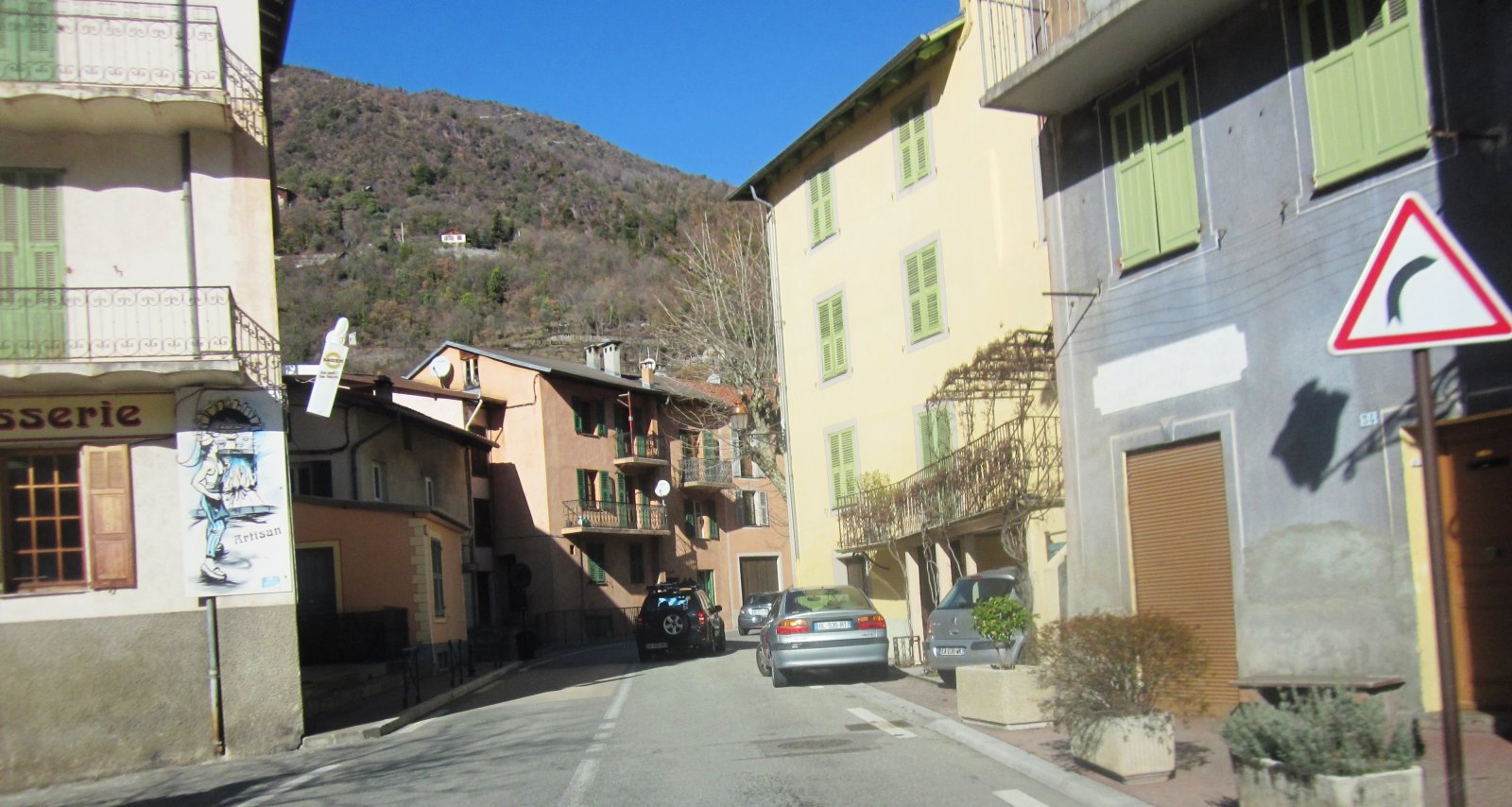
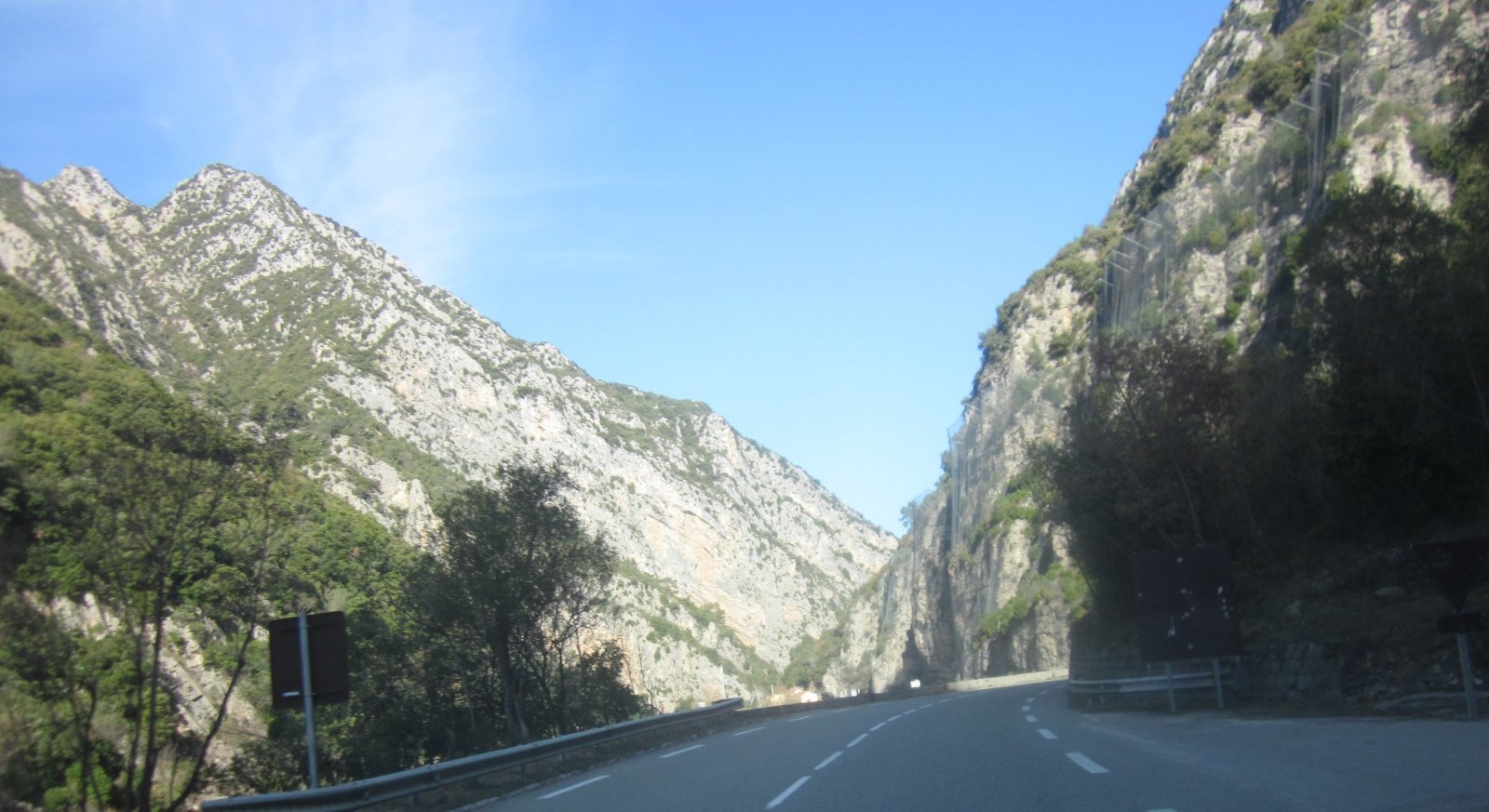
Within 15 minutes, it becomes a narrow two-lane road that zigzags through canyons and small villages:
a004.JPG


a005a.JPG


a006.JPG


a009.JPG


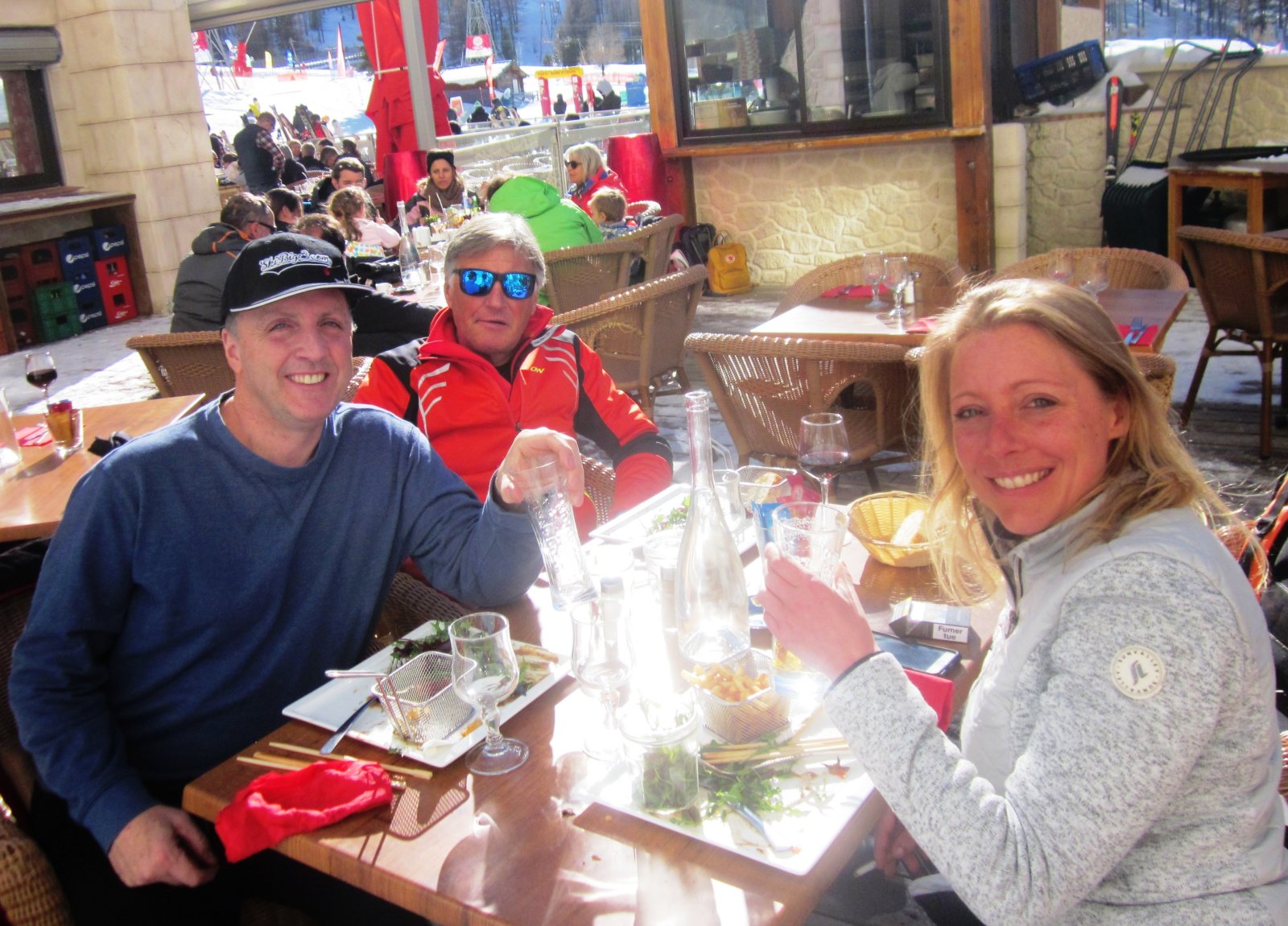
I arrived at Isola at 12:30 for lunch with Cécile and Christian.
a011.JPG


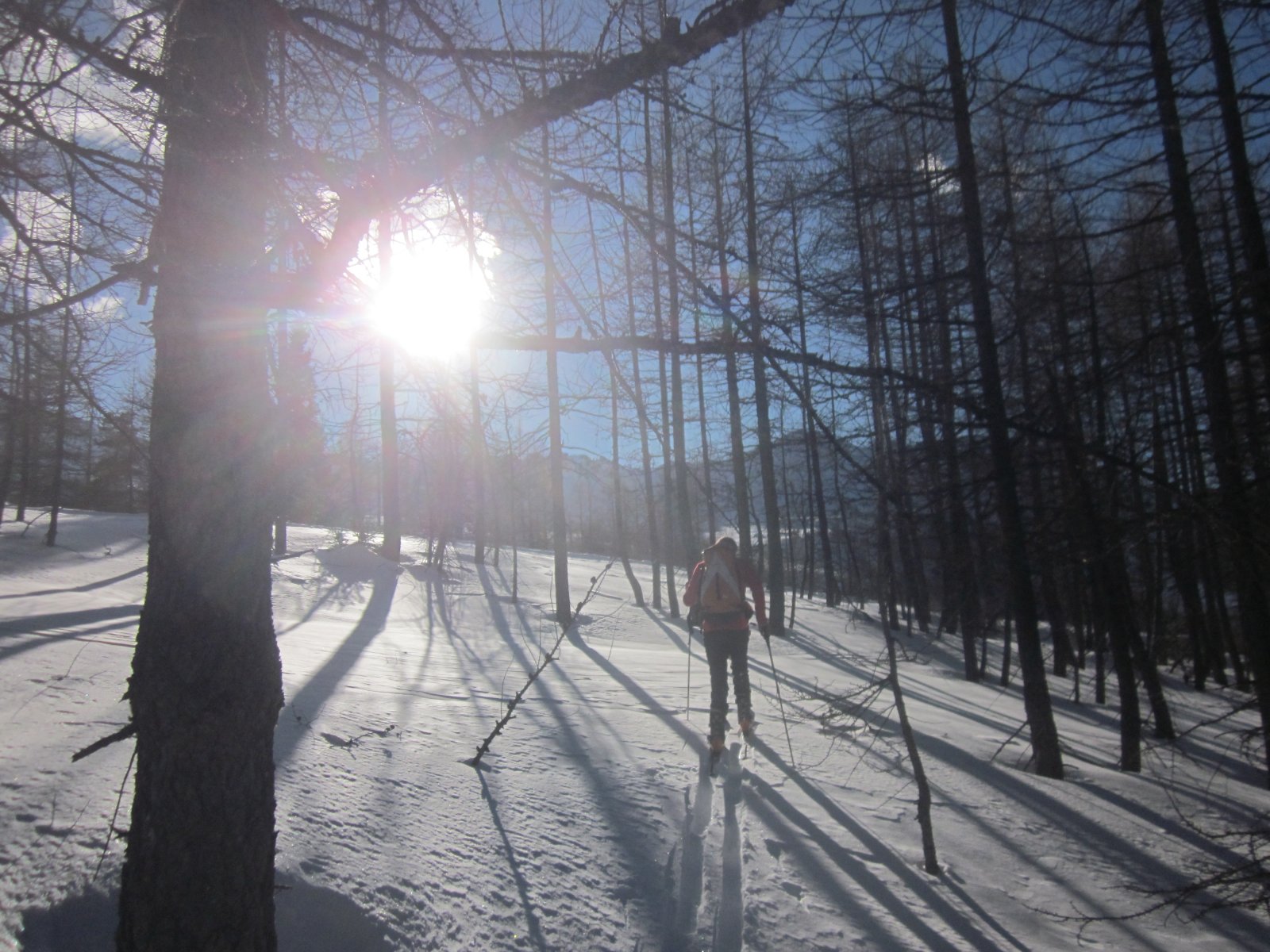
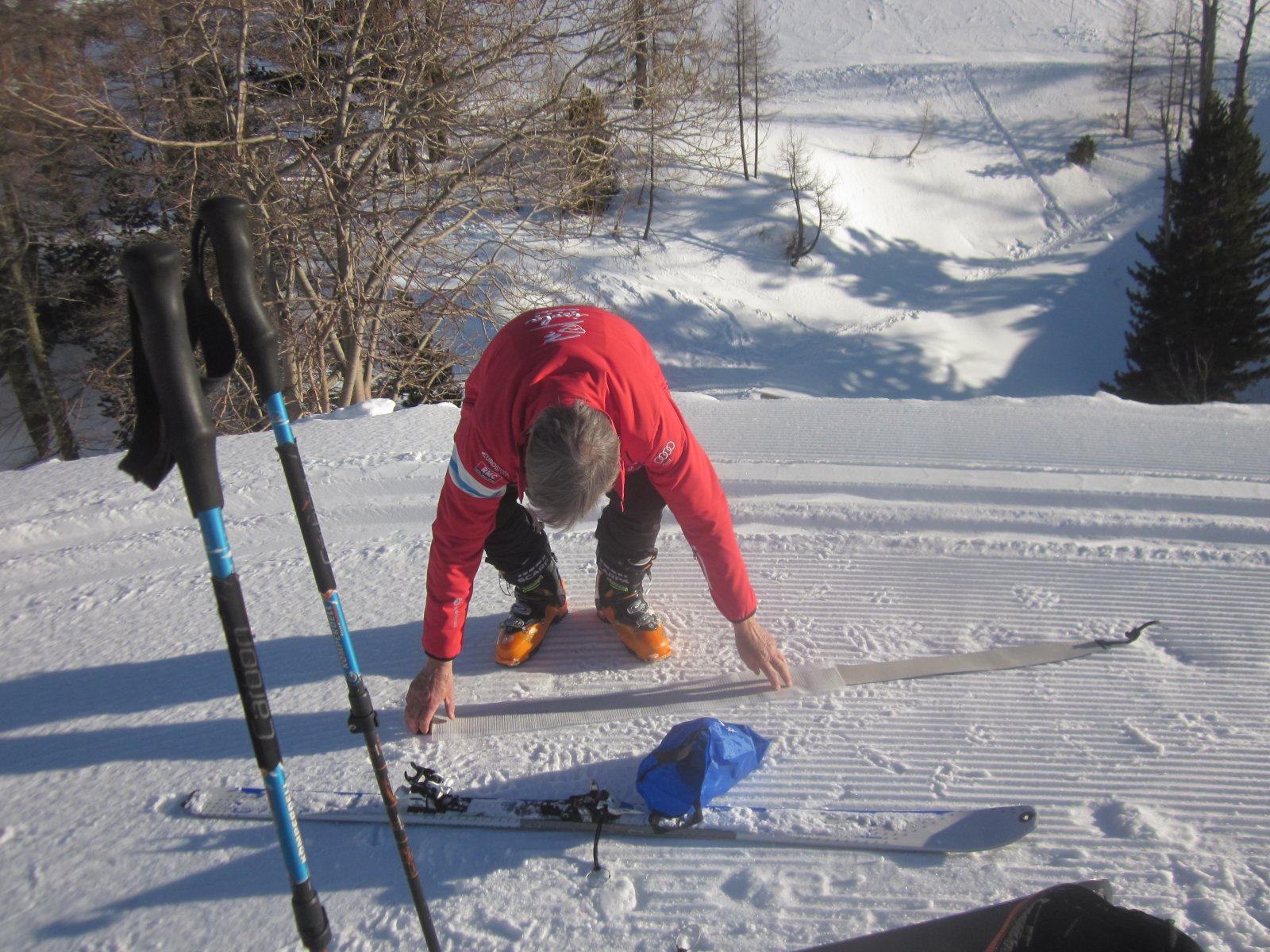
Christian and I then got cracking with a 2.5-hour ski tour up through the trees, which was a great way to head off any thoughts of impending jet lag:
a017.JPG


a016.JPG


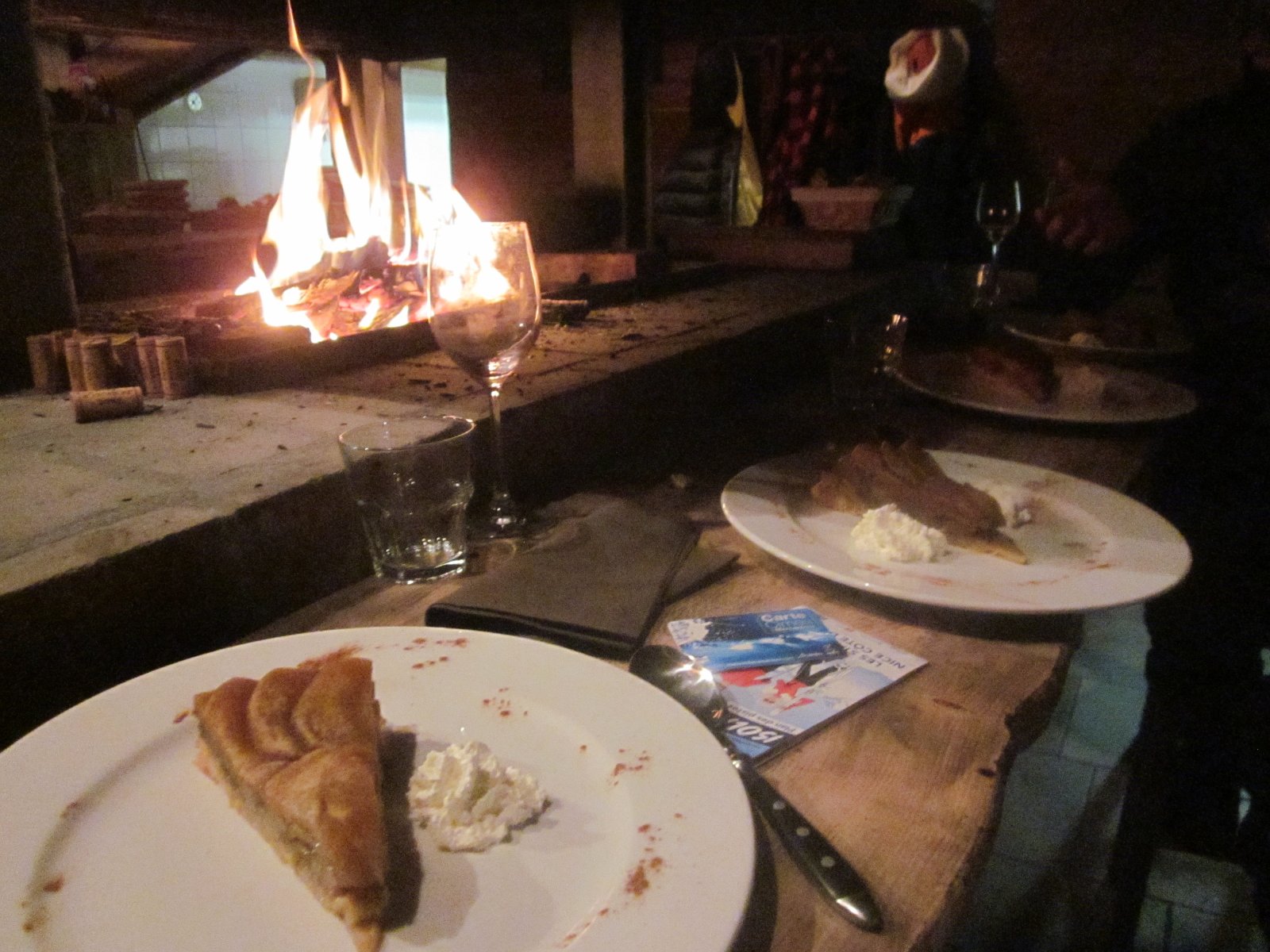
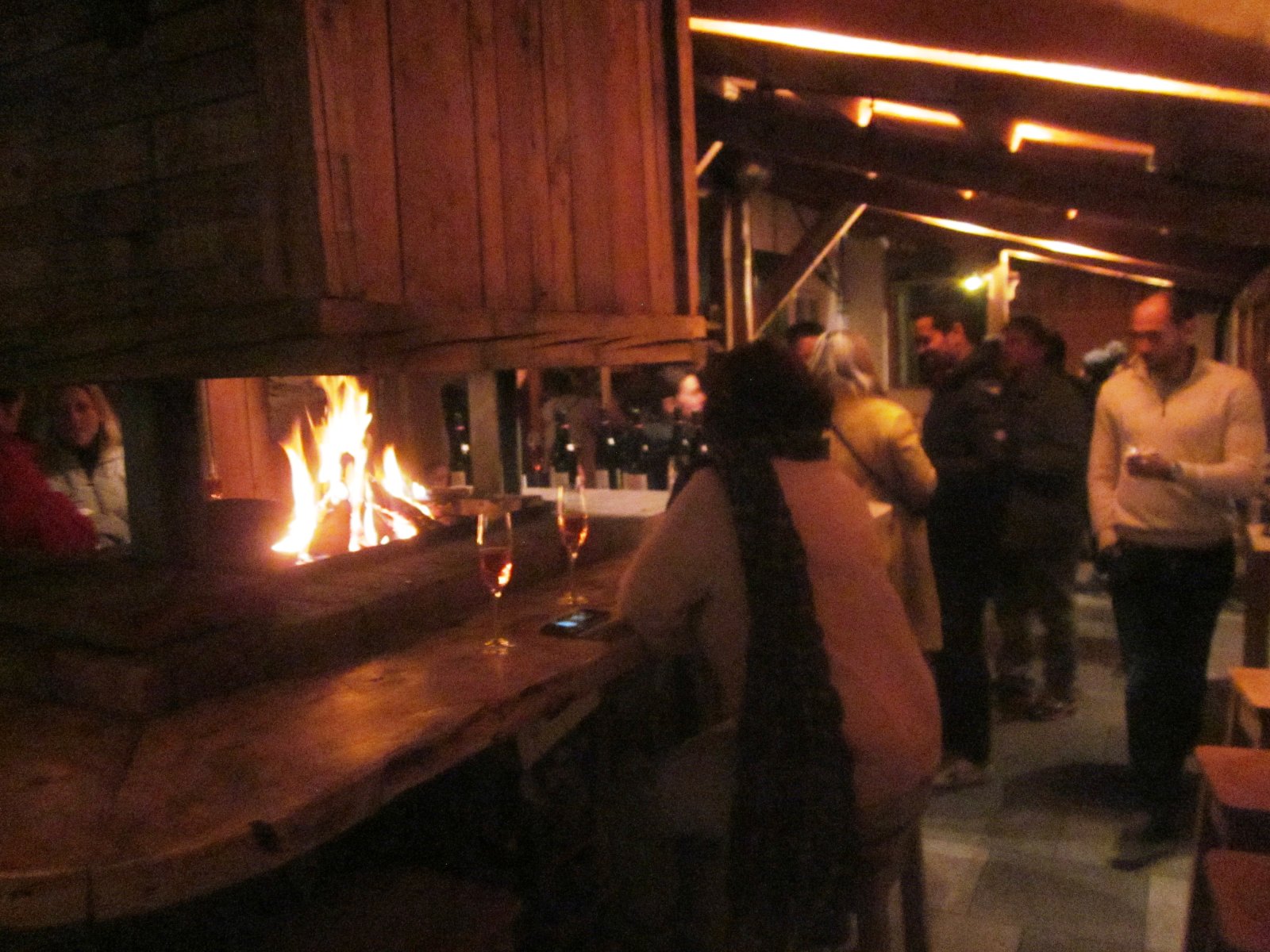
That night, I had a fantastic dinner where you take a groomer up the mountain to an atmospheric chalet and hang out beside a roaring fire, drink lots of wine, and eat fantastic food:
004.JPG


008.JPG


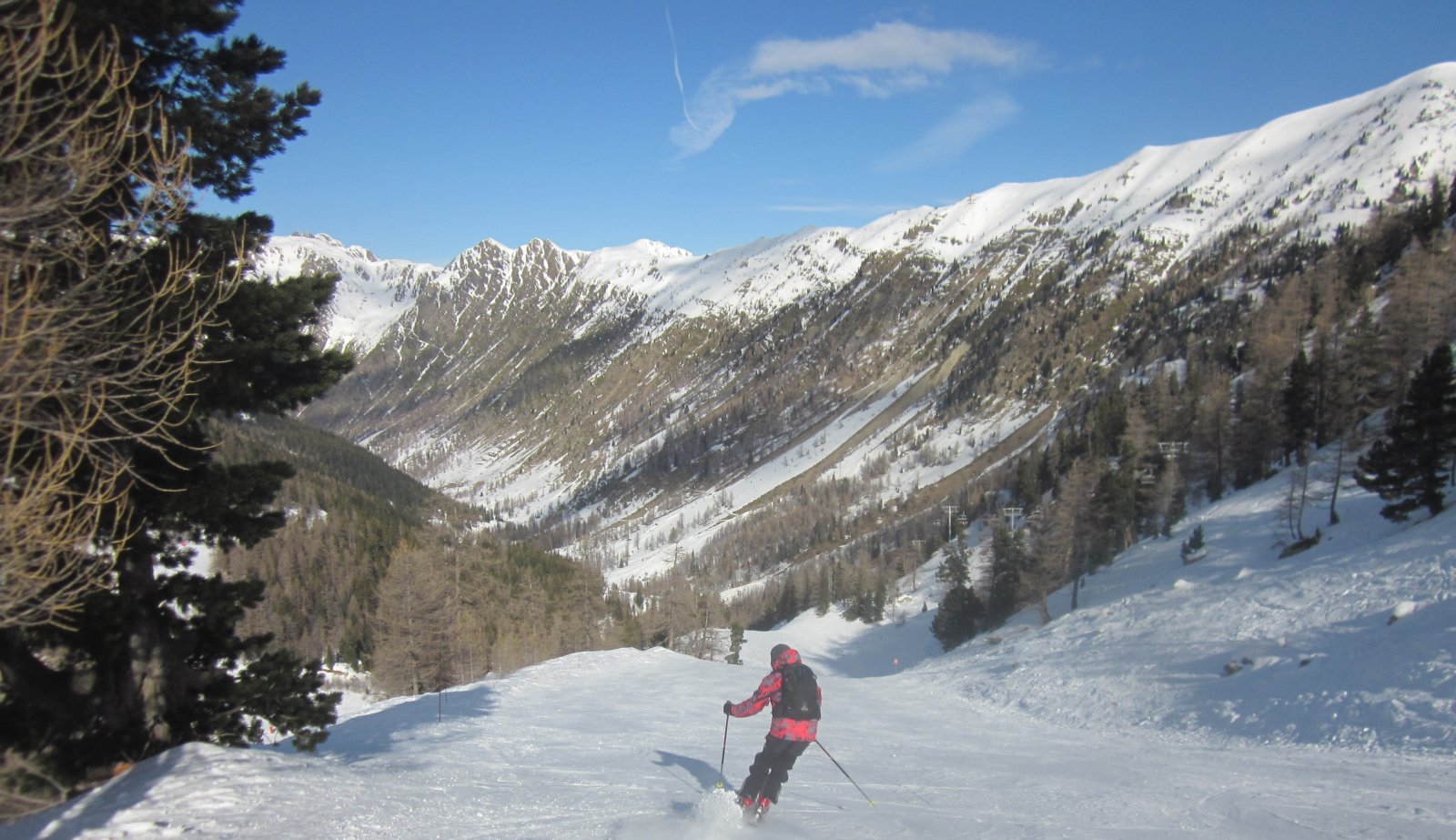
The next morning, I was on the snow by 9 am. Isola is the closest destination ski area to Nice, directly on the Italian border about 32 miles as the crow flies from the ocean. It's officially known as Isola 2000, referring to the ski village's elevation in meters (the actual village of Isola is much further down). It's 3 miles wide x 2 miles deep, which makes it a smallish-medium ski area by Alps standards.
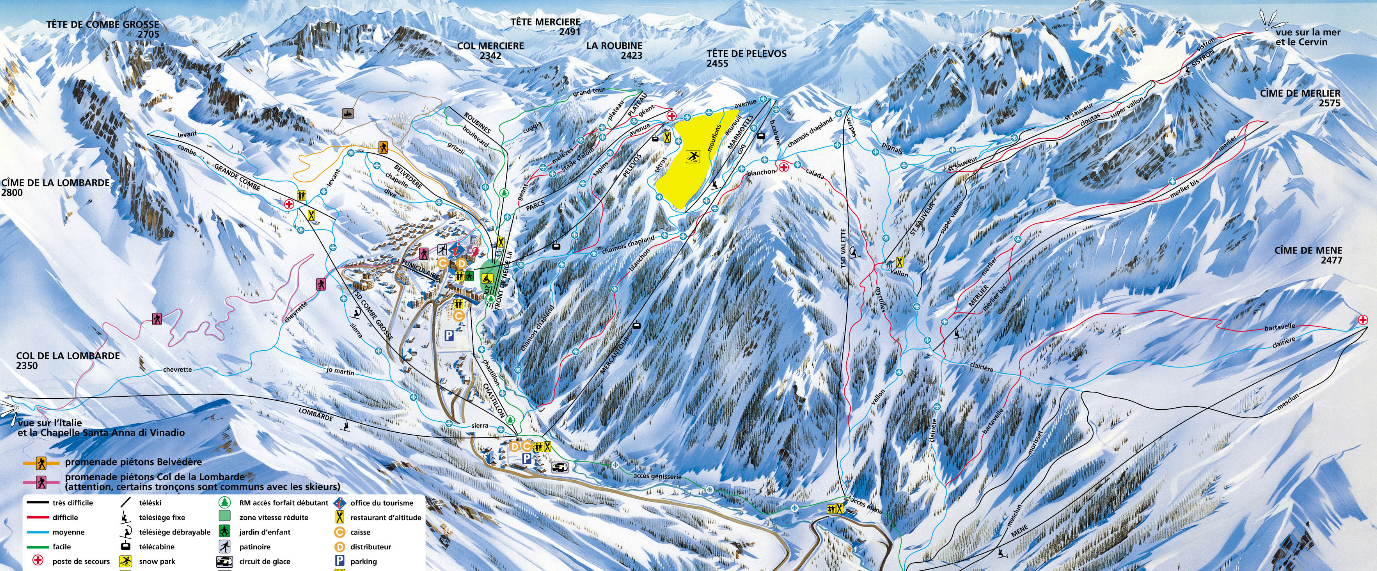
Isola Trail Map.png


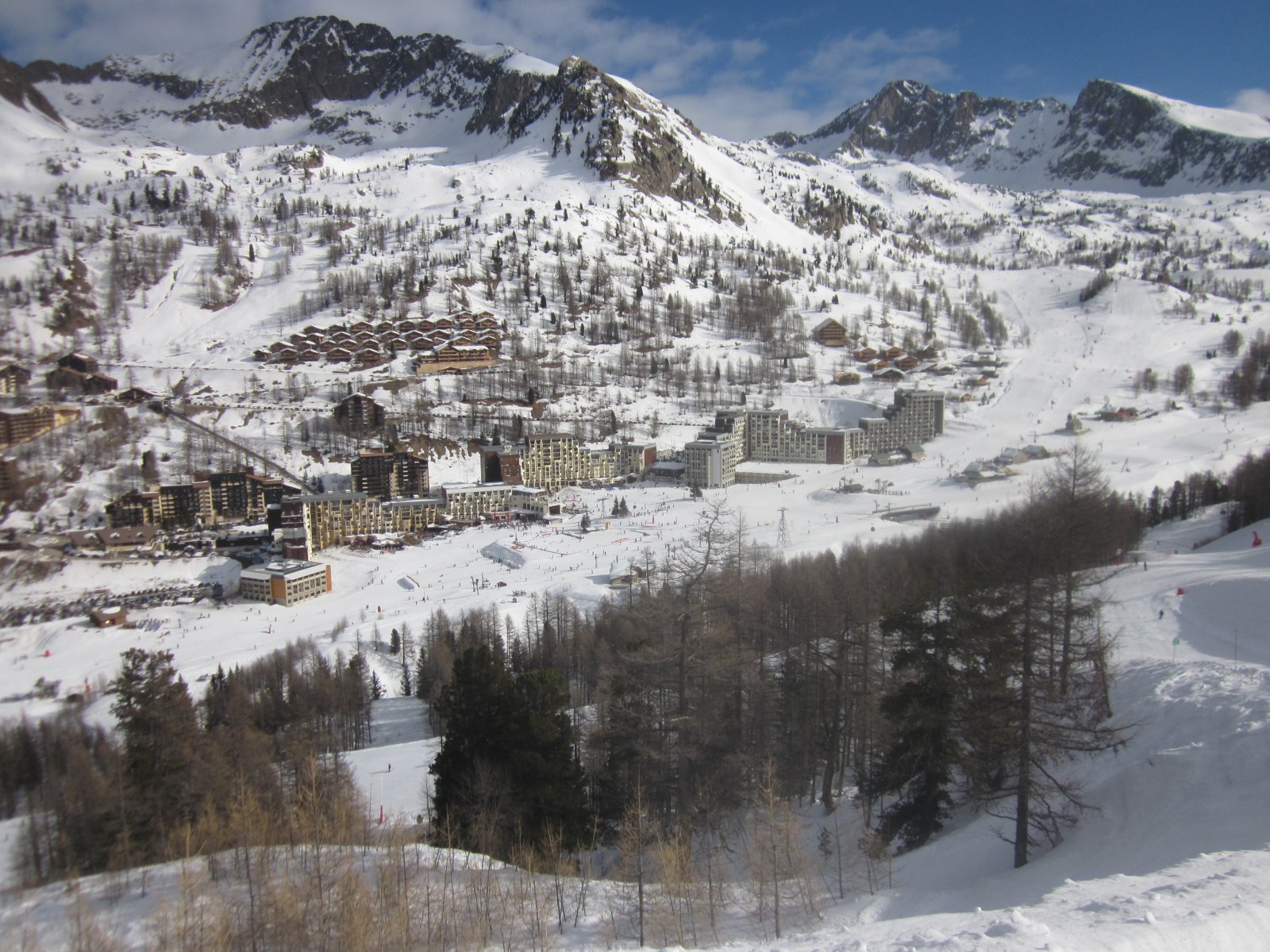
On weekends and school holidays, Isola is hugely popular with people from the Côte d'Azur and offers all sorts of activities for families, including those who don't ski or snowboard. Like many French purpose-built resorts from the 1960s and 70s, there are a number of ugly concrete buildings at the base (similar to Snowbird in Utah) that they would certainly build differently today, but the dramatic Alpine scenery, spectacular views down to the ocean, and impressive snow preservation (absolutely no rain this high up during winter) make up for it.
020.JPG


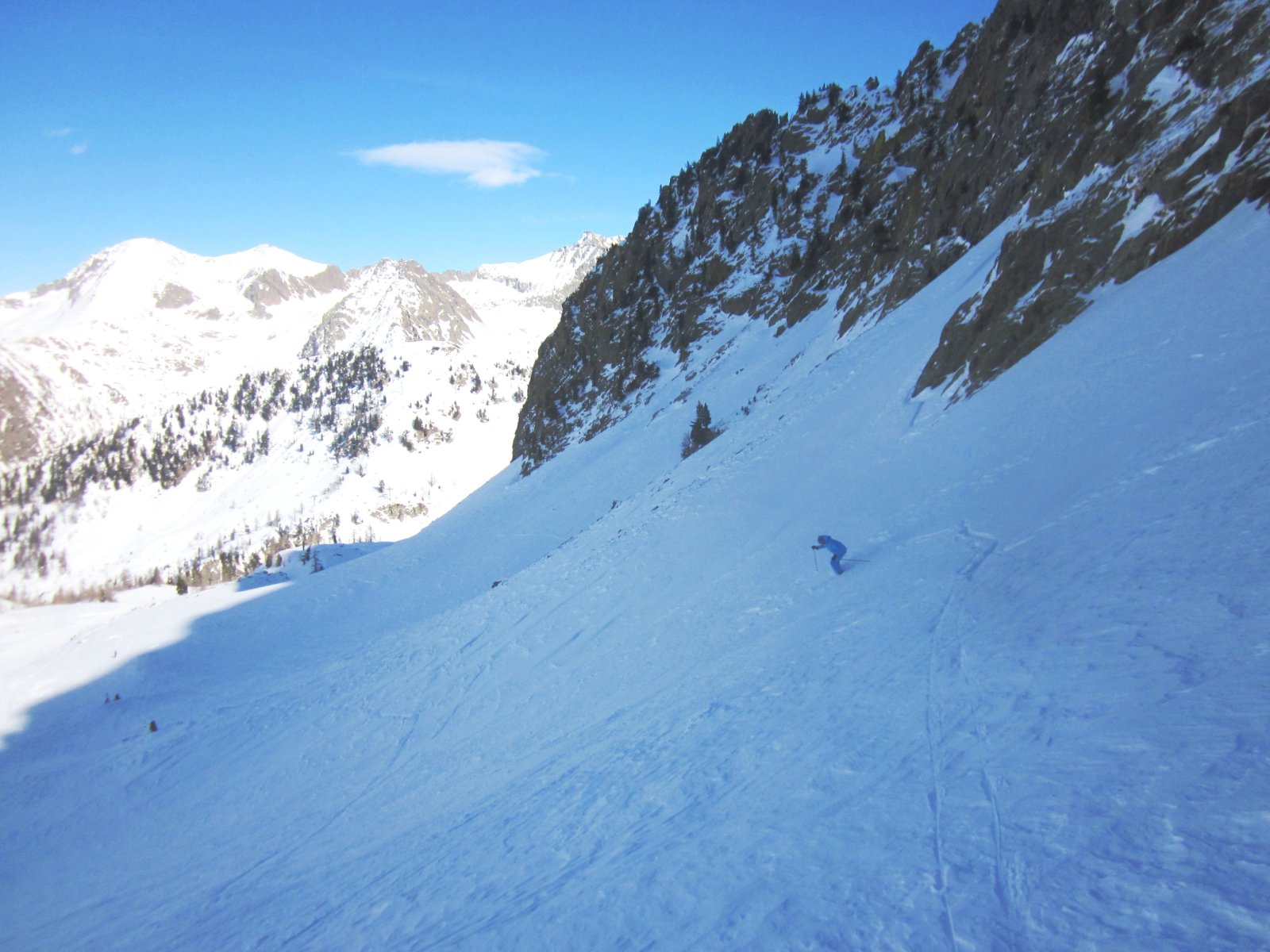
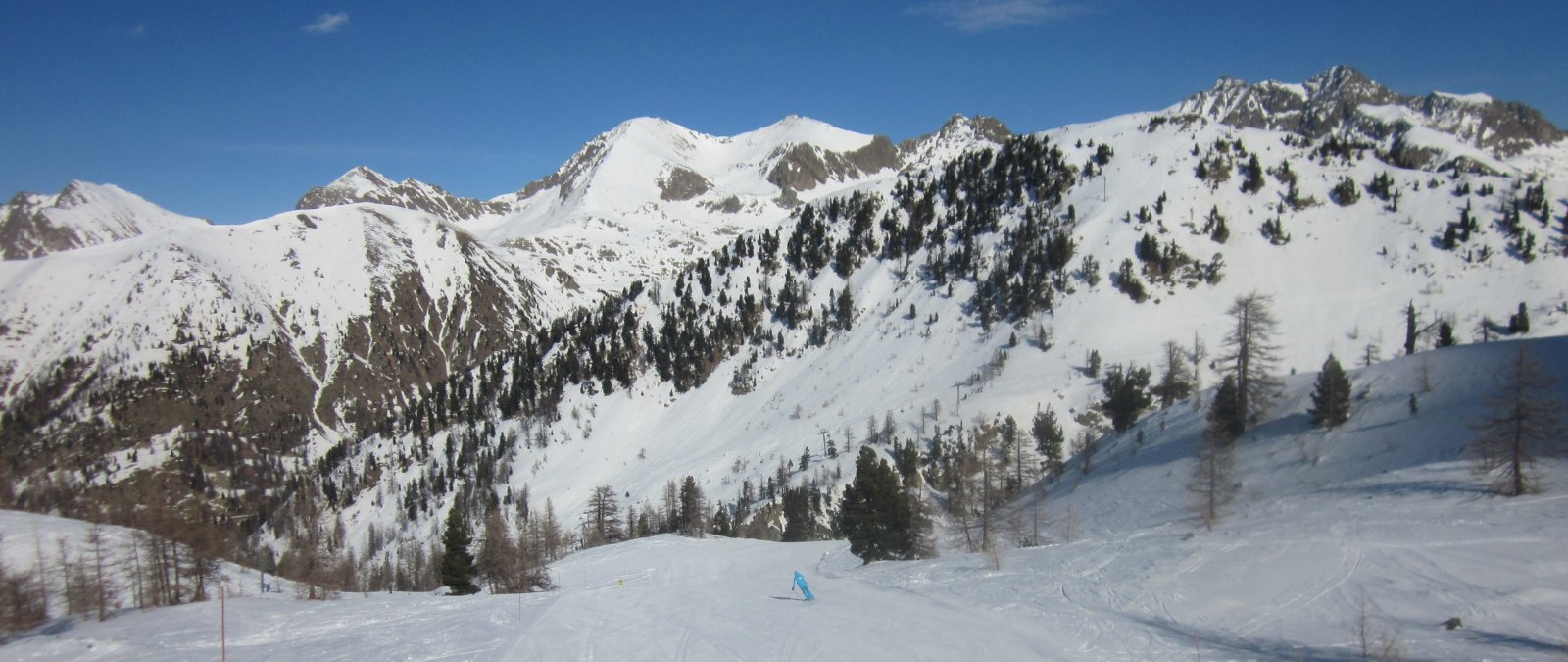
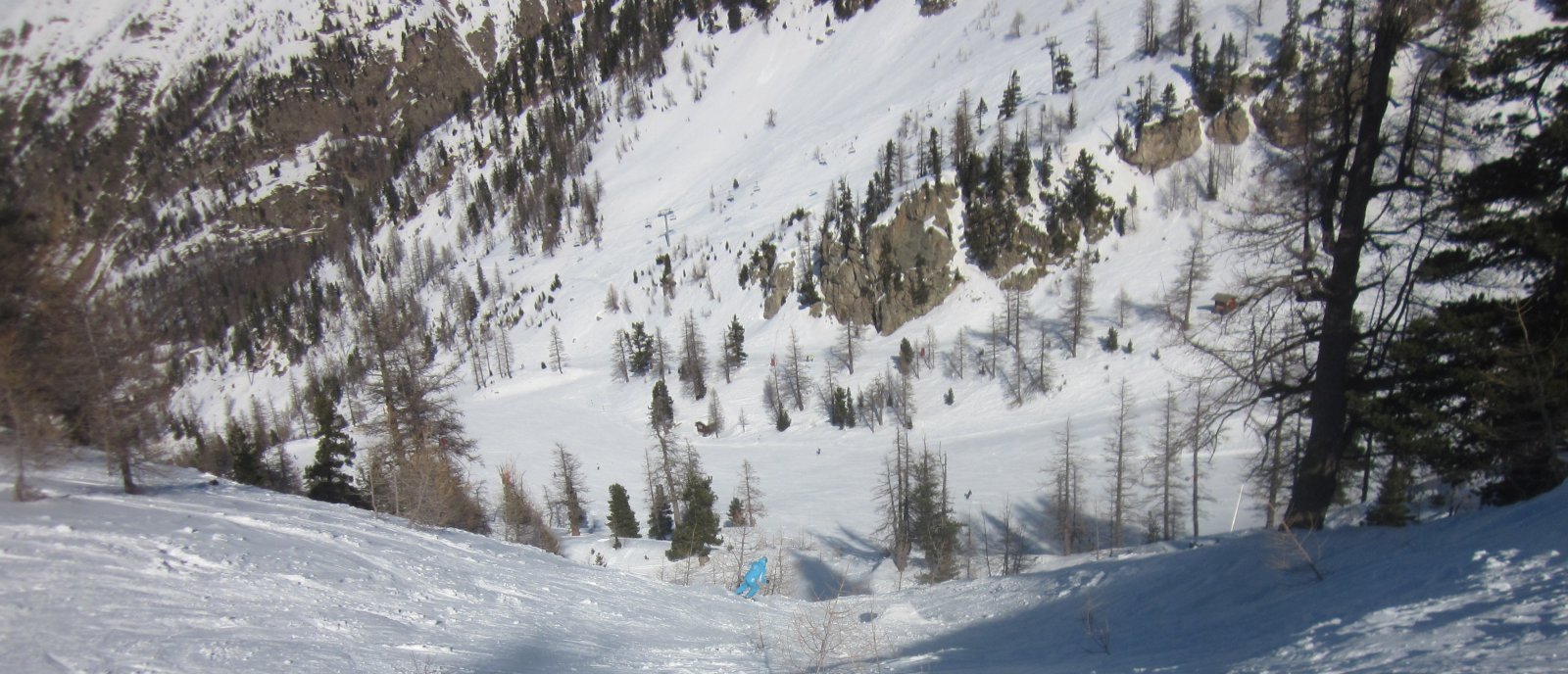
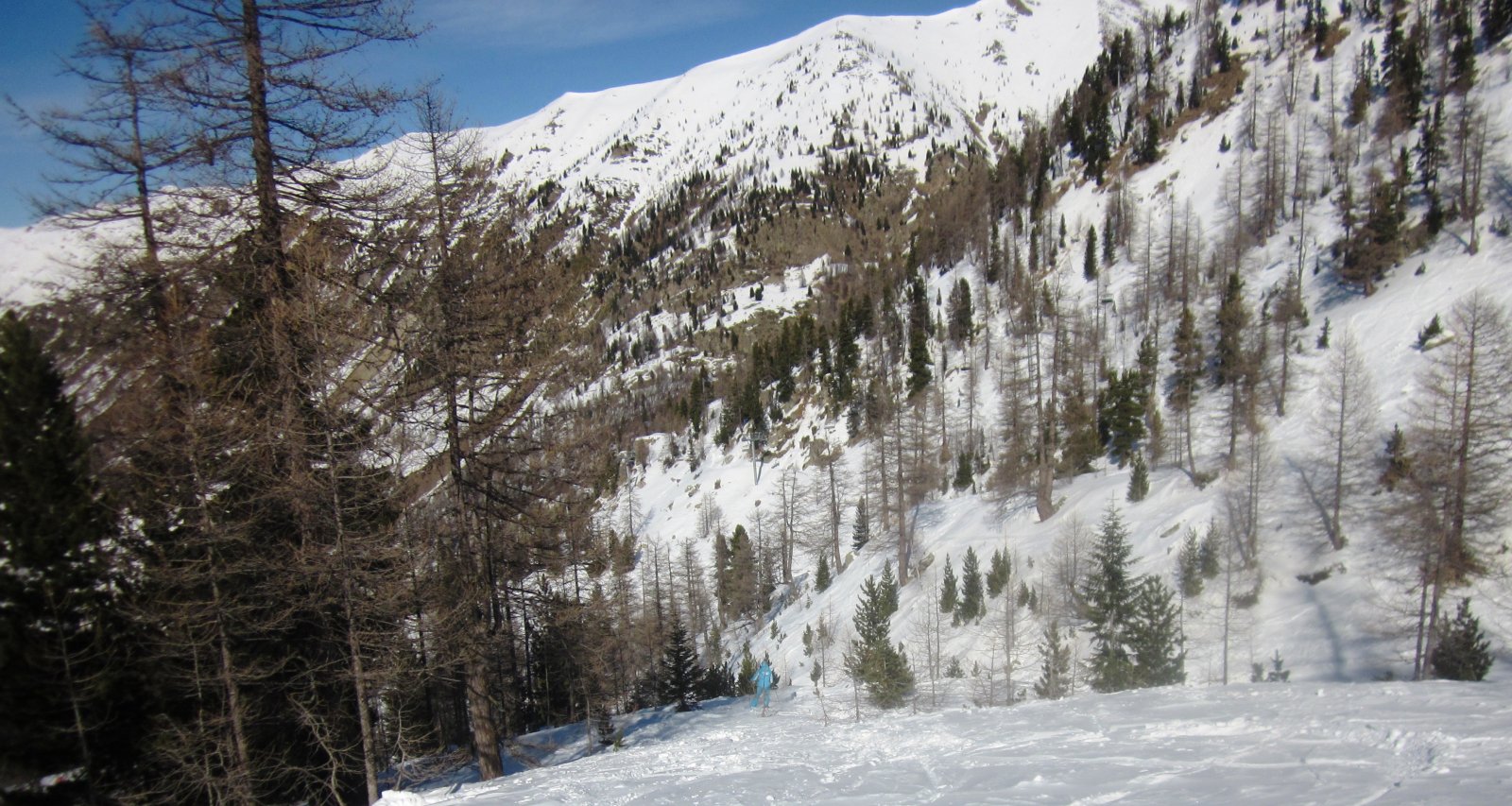
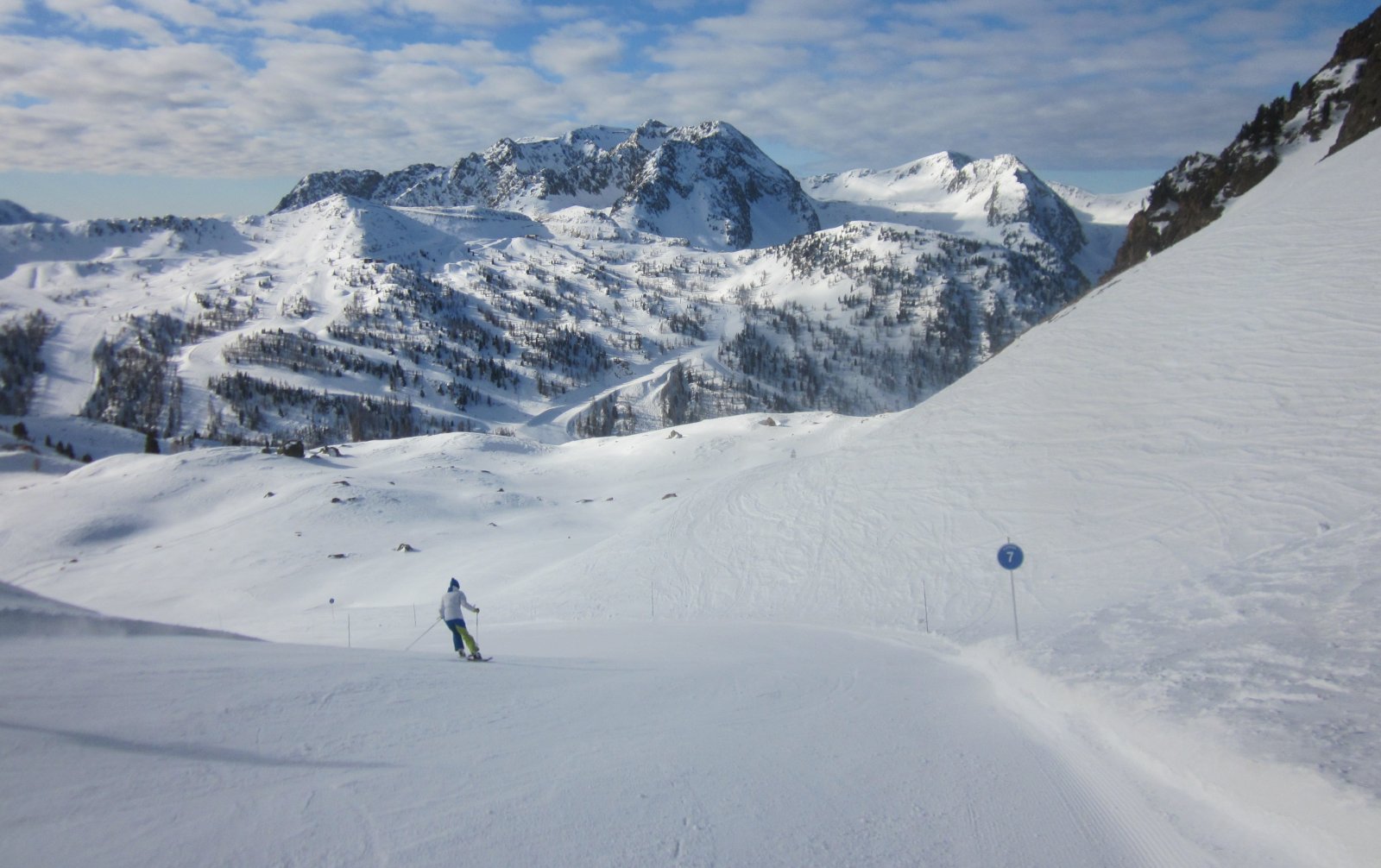
I started on the far looker's left and made my way over to Isola's premier terrain sector, Saint Sauveur, with a great combination of wide-open terrain and substantial tree skiing:
a012.JPG


016.JPG


028.JPG


031.JPG


034.JPG


035.JPG


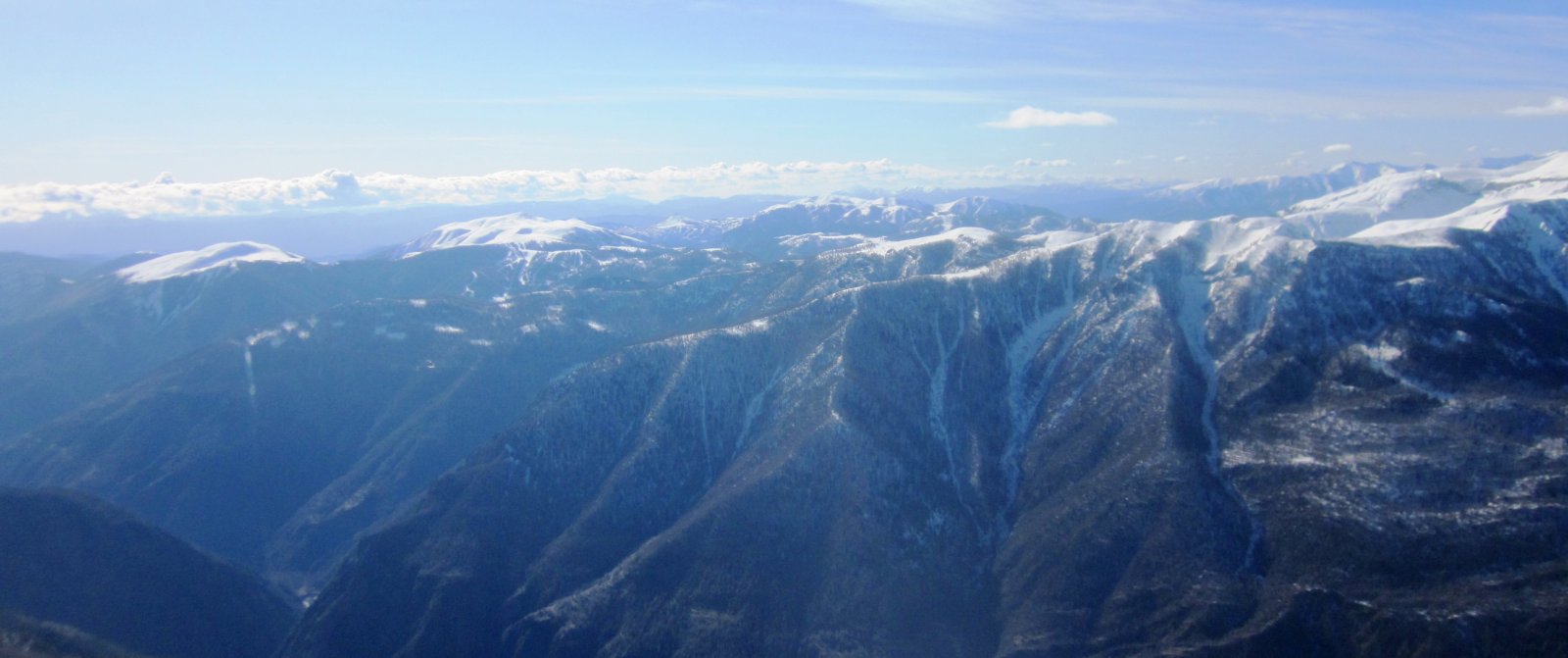
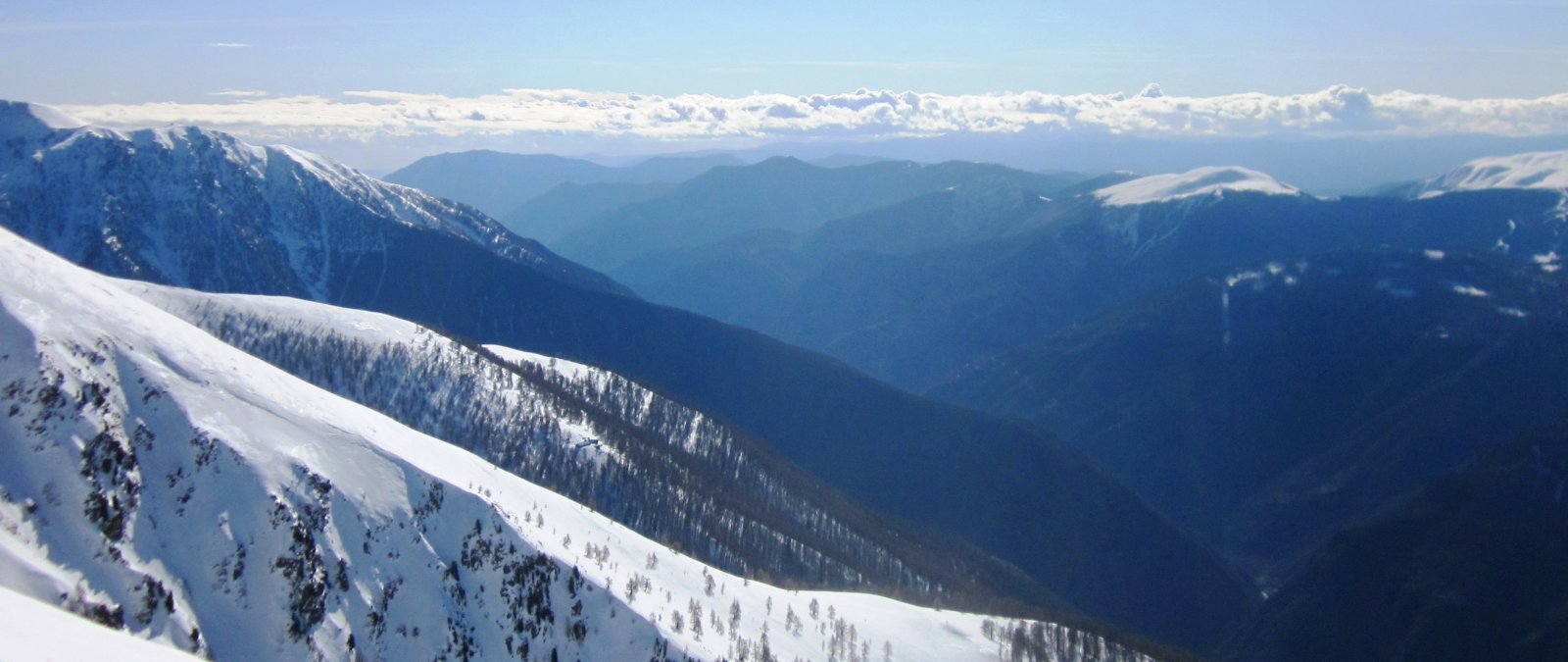
Here's the view from the top; the Mediterranean is just below the clouds in the far left:
022.JPG


Roubion, a ski area I'll visit the following day, is on the near right:
023.JPG


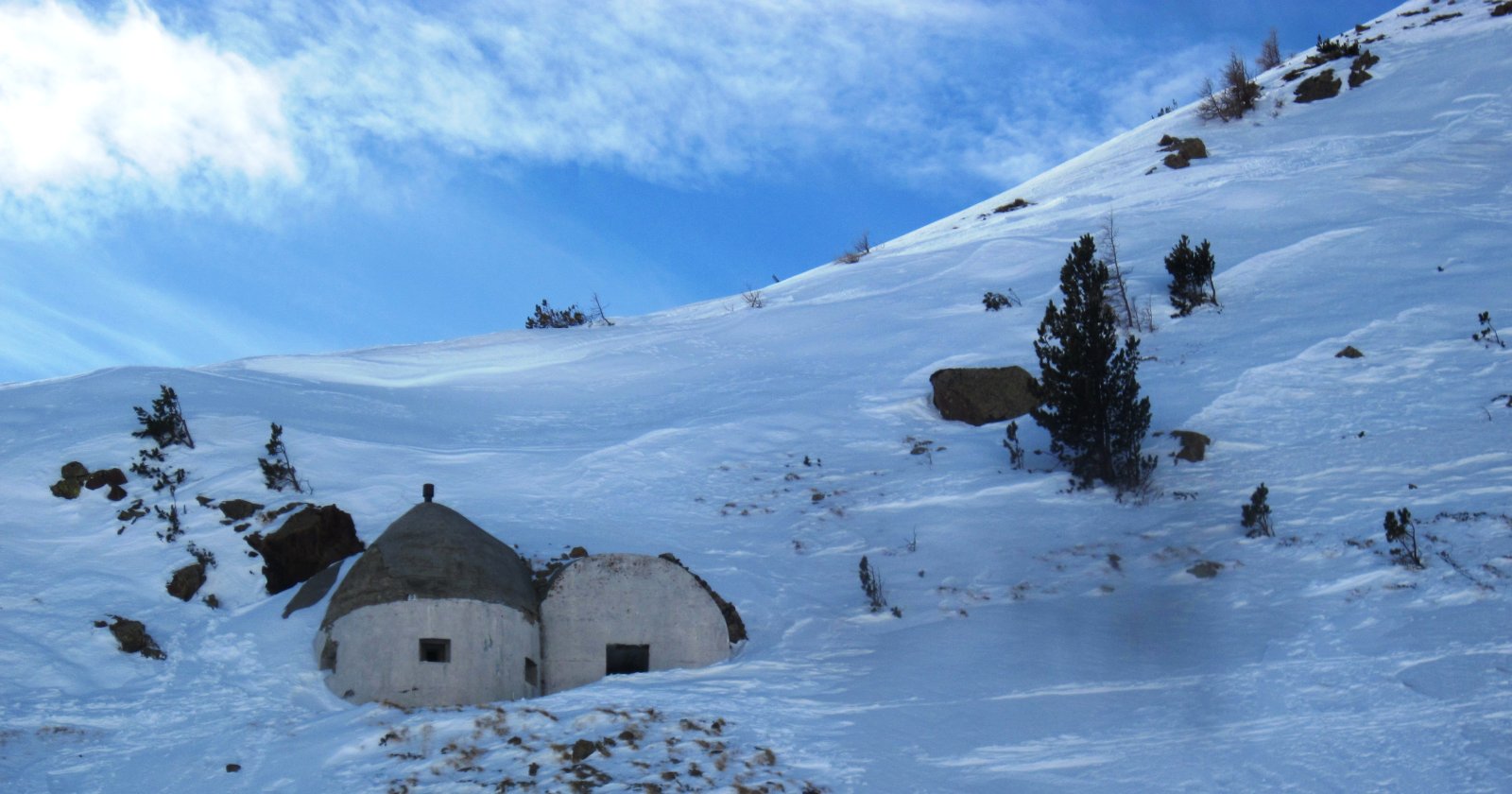
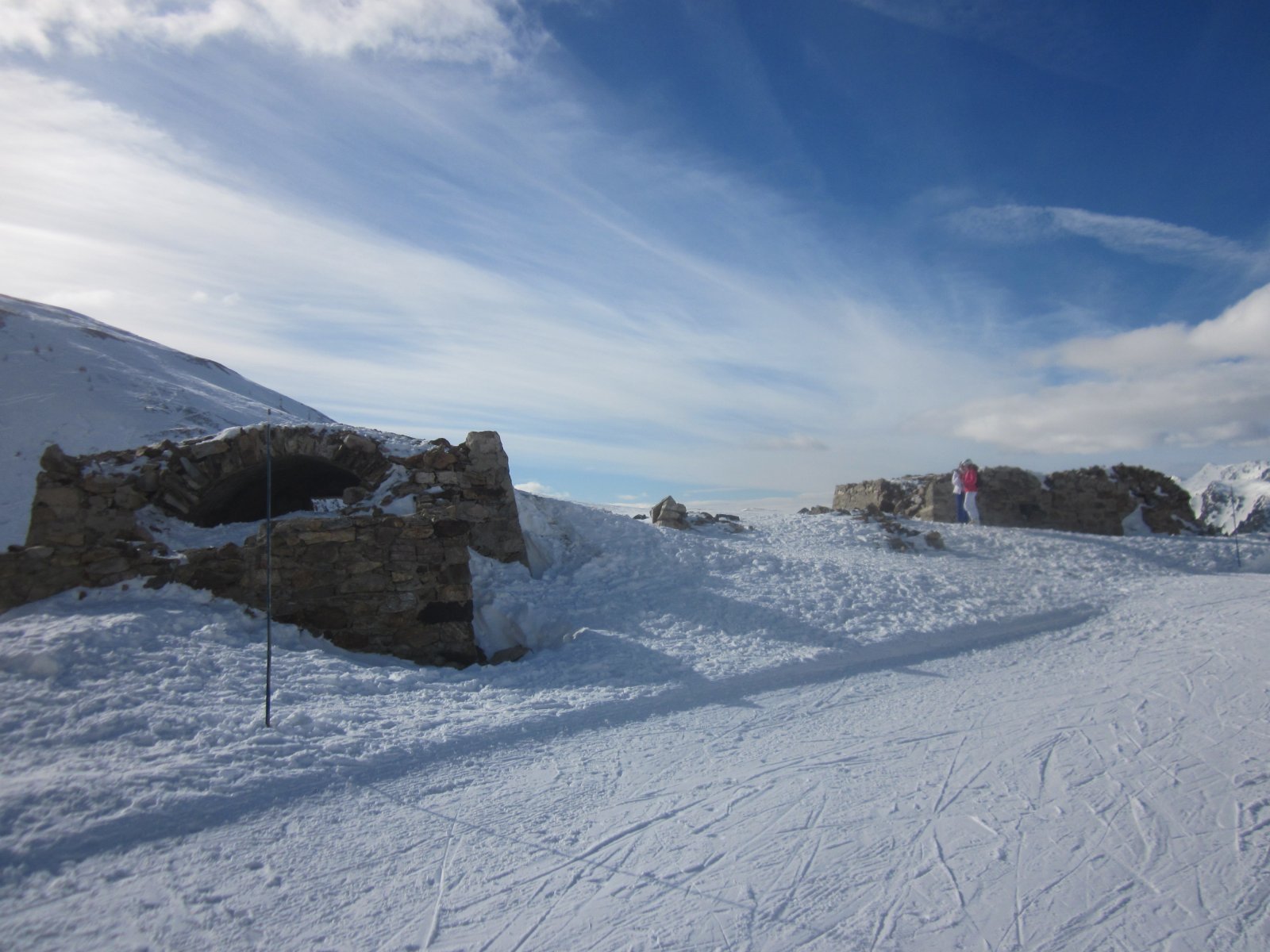
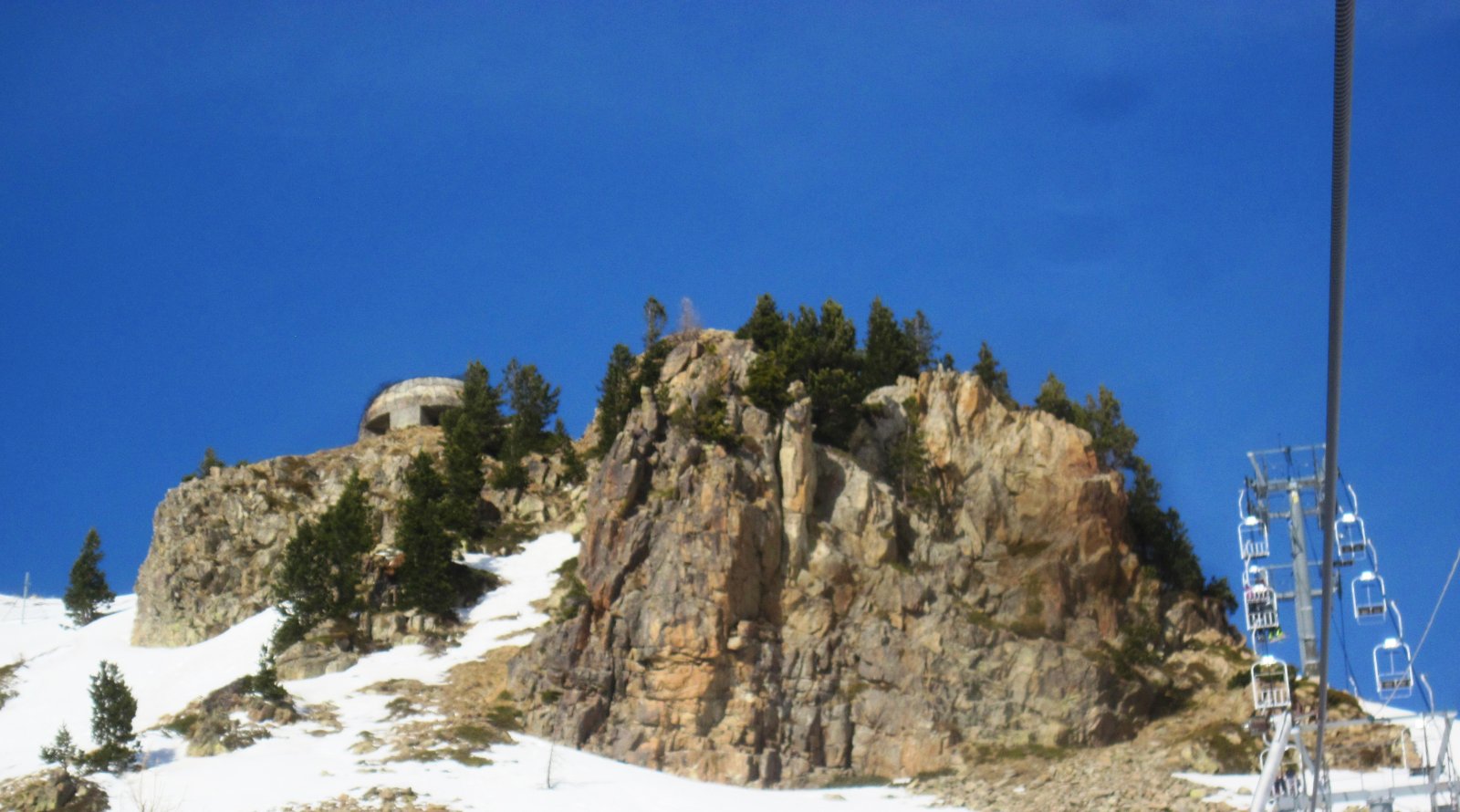
Along the Italian border are a number of military fortifications from WWII, including barbed wire and other detritus:
037.JPG


038.JPG


039.JPG


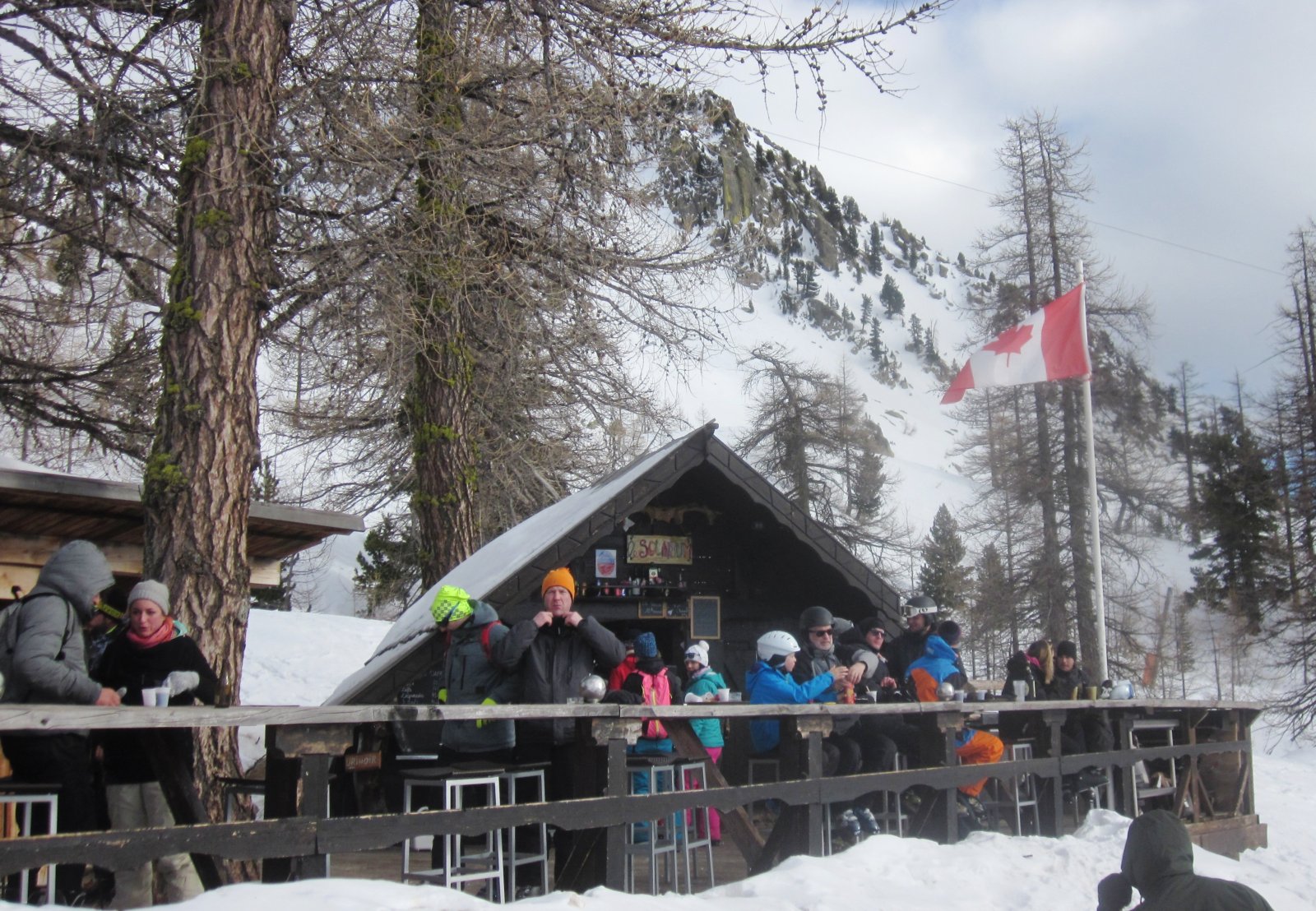
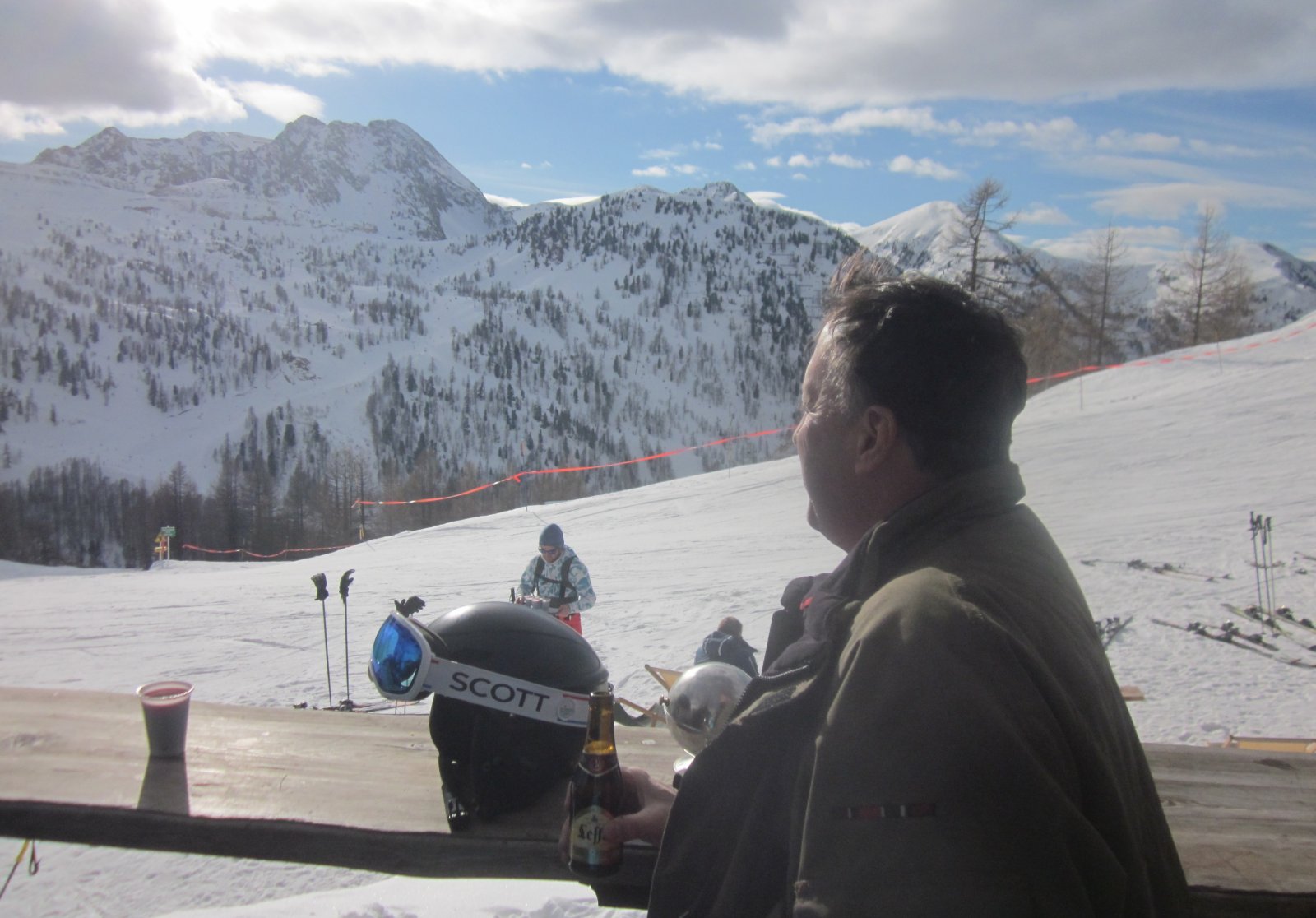
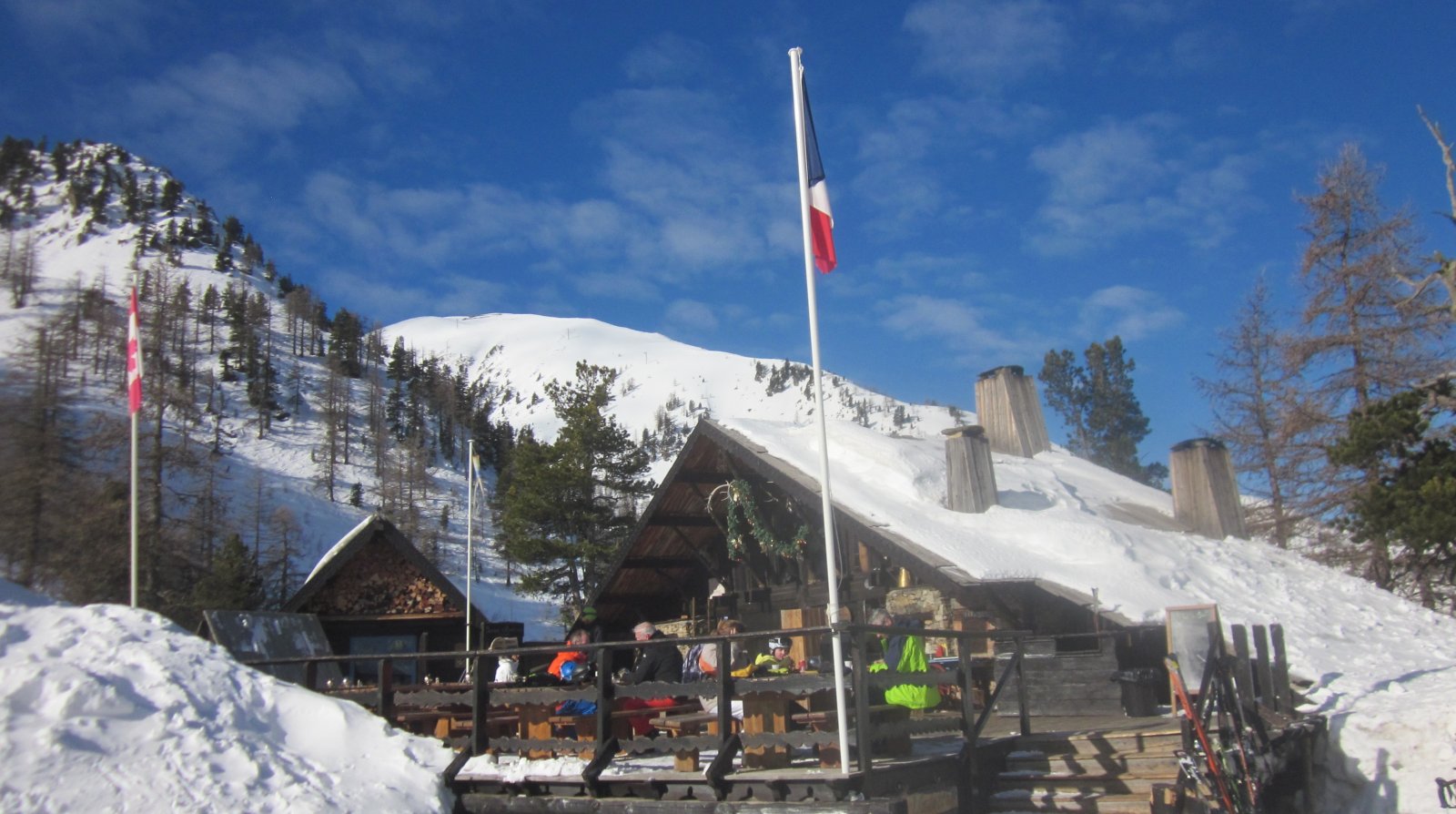
A late afternoon beer at the Solarium hut. The owner is a French gentleman who lived a couple decades in Canada and became a citizen there too, as the flags demonstrate:
019.JPG


044.JPG


Deep thoughts:
043.JPG


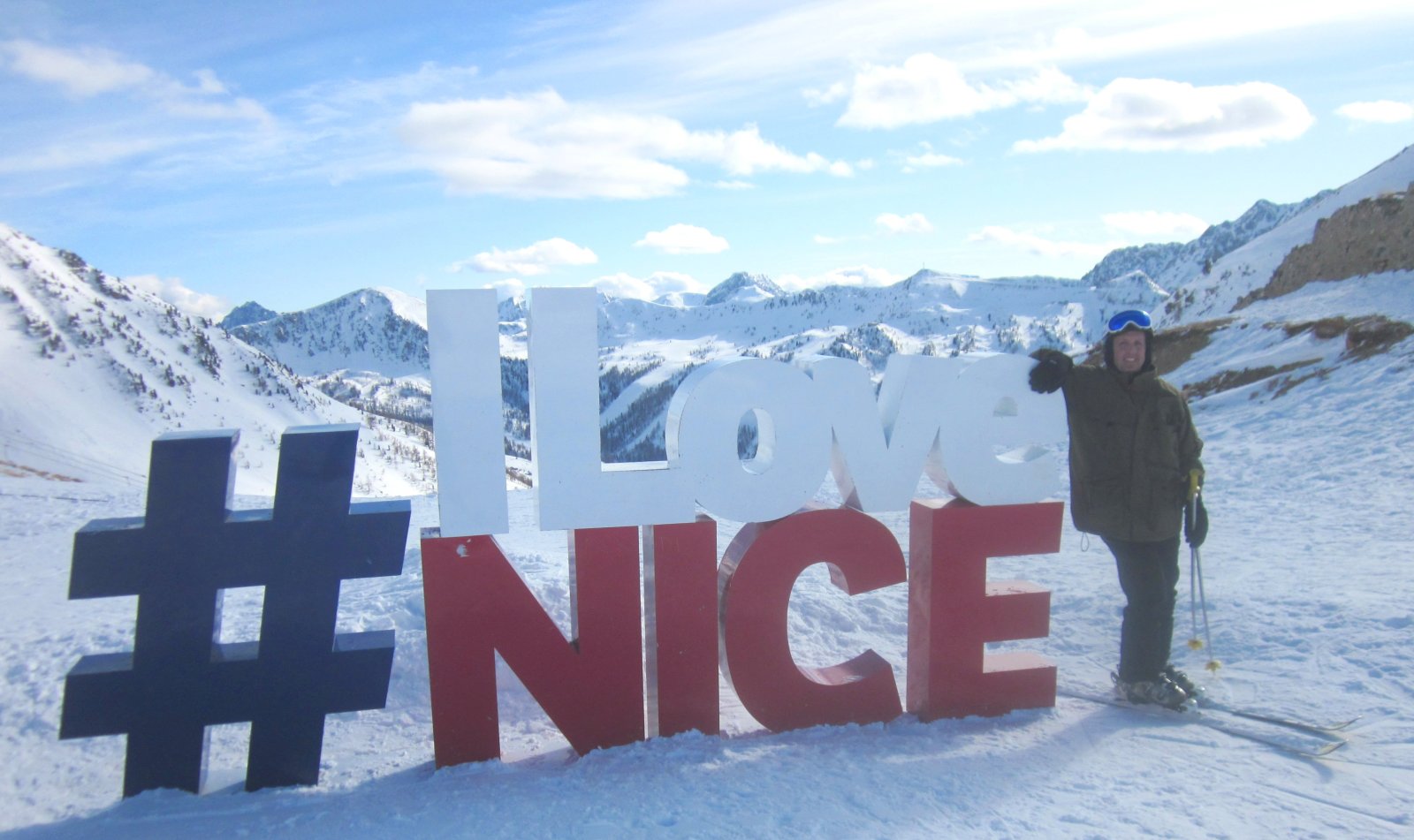
They fine you for not taking a photo here:
Isola - I Love Nice.JPG
 
I had a chance to ski Isola in late March in the late 1990s. It was my wife's first trip to Europe and we were on a 7 day Wine and Gastronomy tour based in Cannes. I brought glove and shell pants and had a rental car, but did not want to leave my wife in Cannes for what looked to be a long day while I went skiing. I was especially sorry one morning when we went to the Picasso museum in Antibes and saw snow had fallen to 2,000 or 3,000 foot elevation above the Mediterranean.
 
jamesdeluxe":e5luc8r3 said:
Absolutely no rain this high up during winter
it is highly counterintuitive but virtually all high rain/snow line storms come from the Atlantic and hit the Alps from the northwest according to Fraser. Consequently areas like Isola far from the Atlantic storm tracks and places in the southeast Alps like the Dolomites and St. Moritz rarely see rain. Which is the reason we were in the Dolomites when one of those storms hit the Alps Jan. 20-21 with rain/snow line at 6,500 feet. The next storm Jan. 26 came from the Mediterranean, had a low rain/snow line of 3,000 feet, hit the areas James is skiing now and also produced that big powder day for us in Cervinia.
 
EMSC":2qxhdood said:
Double applause for the uphill on your arrival day.
Lucky for me, he broke trail. Funny thing is, I'm convinced that the skinning was the reason I had zero jet lag and stayed awake until 10:30 pm that evening.
 
I can't recall if I posted this in a different thread but to attempt to keep info about a specific ski area in one thread -- a year ago, this guy on Alpinforum posted Isola's 2023 masterplan, in which €50 million is to be invested over the next few years. Here's the English translation in case I (or anyone else) go there and want to know what's in the pipeline:

Phase 1 (2023): Modernization of the Front de Neige (project completed)
  • Dismantling of the Front de Neige 2 ski lift and replacement with a 50m long, two-track conveyor belt
  • Dismantling of the SSL Kit and replacement with a conveyor belt
  • The longest ski lift, Front de Neige 1, will remain
  • Replacement of 10 snow cannons with modern snow guns
  • Redesign of the slope layout

Phase 2 (2025): Conversion of Belvédère/Roubines into a year-round tobogganing area
  • The dismantling of the lifts is not mentioned, so they should remain in place
  • Construction of a winter toboggan run
  • Presumably, a summer toboggan run (possibly with winter use) will be installed

Phase 3: Construction of an additional reservoir (project cancelled)
  • Location: In the Saint Sauveur area. Size: 215,000 cubic meters
  • Goal: To increase the ski area's snowmaking coverage from the current 75% to 95%.
  • Other uses: Drinking water supply and water provision for the fire department in case of forest fires, etc.
  • The reservoir was heavily criticized by environmentalists, and a petition against the project was launched.
  • This part of the project was definitively cancelled in December 2023. The reservoir will therefore not be built.
  • Article on the project cancellation

Phase 4: Replacement of the Pelevos gondola (2026/2027)
  • Replacement of the 4-person gondola from 1971 (which was retrofitted in 2006 with new Oeuf cabins from the Monts Jura ski area) with a 10-person gondola.
  • The route will remain the same.
  • In 2023, the original plan called for a 6-person chairlift. Current plans refer to a 10-person gondola.
  • Presumably, the new valley station will no longer be integrated into the "snake" high-rise building, but rather located in front of it.
Even though the reservoir will not be built, the investment sum of 50 million will still be maintained. A fifth project phase was defined for this purpose:


Phase 5: Construction of a gondola lift to Cime de Sistron (2027/2028)
  • Gondola lift for direct access (also for pedestrians) to the Sistron summit with sea views
  • New gondola lift replaces 3 lifts: Saint Sauveur chairlift, Sistron 2-seater chairlift, and Merlier 2-seater chairlift
  • Replacing the 3 lifts therefore only allows for one lift with a mid-station at the current top station of the Merlier 2-seater chairlift. The second section then goes directly up the relatively short but avalanche-prone slope to Cime de Sistron on a new route.
  • The gondola lift's valley station will likely be located on the road below, next to the valley station of the Valette 6-seater chairlift. Otherwise, the lift would be difficult for pedestrians to reach.
Overview of project phases (Phase 1 is finished; Phase 3 was cancelled)
1775755140688.png
 
@Weathertoski, do you agree that this season was a bell-ringer for the Maritime Alps region, as described in the linked article? Also, exactly how severe is the snowfall volatility (hideous seasons vs. decent vs. excellent)?
It was an excellent season for the entire southern french Alps, that's for sure. I don't have any data for Isola 2000 yet (the one resort in the Alpes Maritimes) from where I regularly get figures) but I doubt it was among the very snowiest. Qualitatively though I can't really argue with locals on the ground and, crucially, it was sunny during the busiest Feb holiday week (13-20 Feb) while the northern French Alps were getting buried every day. So with the focus on families, not interested in waist deep powder or dodging avalanches, that was a bonus.

As for your second question, I don't really follow the fortunes of tiny Alpe Maritimes resorts like the one in question, but what I can say is this. Isola 2000 is extremely "steady" in the sense that even in very low snowfall years its height and protection from mild Atlantic winds + excellent snow-making means that there is always plenty of good piste skiing. Auron is a bit lower and a bit more exposed (to mild spells) so is not quite as reliable but again does a good job at keeping most pistes open even in times of drought. And it is not uncommon for it not to snow for weeks on end in these parts. Indeed the Alpe Maritimes, at least the eastern part, along with Prato Nevoso and Limone over the border are just about the only parts of the Alps that will get ZERO snow if the weather is coming in from the north west or north, not matter how big the storm. It has to source moisture from the Mediterranean.
 
Isola 2000 has almost exactly the same standard deviation of annual snowfall vs. average (40%) as Mammoth (39%) with that average being half as much (175 vs. 350 inches). However, as at many places in the Alps Isola measures snow at the very bottom of lift service vs. Mammoth about 1/3 of the way up its elevation range and almost every place in Colorado measuring 2/3 of the way up. Prato Nevoso was often high on the leaderboard for OpenSnow and WePowder forecasts this season.

I was not that tempted to go that far south while planning the recent trip in late March as none of those places have lift service above about 2,200 meters. Even Vars-Risoul, which I was considering, tops out at 2,500. Had the late March storms continued the mid season pattern, we definitely would have gone that way since the places we ended up that got the recent snow were no higher.
 
Last edited:
Remind me how you handicap Alps areas that measure at the bottom?
There is no reliable and consistent way to do that, particularly with the huge verticals. Bottom of someplace like Zermatt and its 99 inches is not particularly useful info. But Isola 2000 has a vertical not that different from many places in North America: 1,800 - 2,603 meters and the snow is measured at 1,900. Ideal would is to measure at middle of elevation range. 1,900 vs 2,200 is significant but only modestly so. I'd be surprised if midpoint average is as much as 250 inches, and 200 might be a reasonable guess.

Tarantaise base areas in the 1,800 - 2,000 meter range average 200 - 240 inches. Highest measuring spot in the Tarantaise is 2,700 meters at Saulire, for which I calculate a 327 inch average. That is based upon only 24 months of data, indexed for those months (91% correlated) to 140 months at Tignes.
 
My UK friends have become very tired of mid-winter rain, especially in the French Alps.

One said: never again Val Thorens in February and waking up to liquid precip. Very rare - but once it happens it can be should crushing.

They were looking into Colorado for a future trip. However, I had to warn them it required a summer/spring commitment due to the Epic/Ikon Pass Duopoly.

And rain can be problematic a lot of places in the American West:
  • Top-to-bottom possibilities: Whistler, Tahoe, NW, BC
  • Bottom: Jackson, Park City, other NW areas
Almost always safe in Colorado or Cottonwoods. Perhaps NM (but low snowfall).
 
Wow, NCP in Val Thorens?
I'm going to call anecdotal on this. More relevantly, the resort is at 2,300 meters and the ski terrain goes up over 3,000. So perhaps it was like Mammoth a couple of times this season, where it rained at the Main Lodge snow plot but still snowed higher up. These storms enhance Mammoth's advantage over Tahoe, where they are rain to the top of most areas and I'm sure that's true for the high resorts of the Tarantaise vs. the lower places farther north in France.

On west coast North America, the elevation that is mostly safe from rain ranges by latitude from 9,000 in SoCal to 5,000 in B.C. Safe doesn't mean never, but the fairly consistent building of an alpine snowpack at Whistler in October suggests that it's relatively rare. We all know that the current season had a disproportionate number of exceptions.

And what are the comparable "usually safe from rain" altitudes in the Alps? We know the pattern is highest in the NW declining to lowest in the SE. Overall I'd guess around 2,000 meters; maybe add 300 (1,000 feet) to that in the NW and subtract 300 in the SE? So @Weathertoski, would you say rain frequency is similar at 2,300 meters in Val Thorens vs. 1,700 in the Dolomites? Or would 2,500 and 1,500 be closer to the mark?

With regard to climate change effect, it's basic physics that the 1C temperature increase over the past 50 years would raise the average rain/snow line by 500 feet/150 meters. But extreme outlier events happen more often; former 1 in 50 year events might now be 1 in 10 year events. That's a SWAG and I'm sure it's different for different types of outlier events. Exhibit A is the recent western US March heat wave.

Correct. I've never heard of rain in NM. The U.S. version of the Maritime Alps?
Not a bad analogy; they also have the high volatility in common. However, I'm guessing no one in NM has the snowmaking water capacity that seems routine in the Alps with the high summer precipitation there. Here's another question for @Weathertoski: Do the Maritime Alps have drier summers vs. their winters consistent with a Mediterranean climate? I'll note here that the "Mediterranean climate" in the Mediterranean gets some summer rain. It's not close to zero like SoCal or central Chile.
 
Last edited:
To answer, clarify, and expand on some of the points here:

The Alpes-Maritimes are by no means immune to rain, and even Isola 2000 does experience the occasional event. However, these are very rare in mid-winter and are more likely early in the season, when the Mediterranean is still relatively warm.

Yes, the Alpes-Maritimes are much drier in summer than in winter. Summer is typically hot and sunny, with only the occasional thunderstorm, whereas the northern Alps experience both thunderstorms and frontal rainfall during this period. If you look at monthly rainfall charts for Nice compared with, say, Annecy, you’ll see that rainfall in Nice drops off significantly in mid-summer, while it remains fairly consistent year-round in Annecy.

Returning to the question of winter rainfall, don’t be surprised by what happens in Val Thorens. The north-western Alps frequently experience rain up to 2300–2500 m, with an absolute mid-winter limit of around 2700–2800 m. To explain why, somewhat counterintuitively, the north-western Alps are most at risk of rain: it largely comes down to the trajectory of warm fronts arriving from the Atlantic. Warm tropical air does not usually approach from the south-west, as the semi-permanent Azores High blocks this path. Instead, it moves over the top of this high-pressure system and enters the Alps from the west or north-west, at latitudes that tend to affect the northern half of the range rather than the south.

Even when these warm fronts penetrate further into the Alpine interior, rain becomes less of an issue because—at least in mid-winter—there is a greater chance of cold air pooling in valley bottoms. This cold air is harder to mix out than it is near the western and northern foothills. As a result, even if the upper air warms as a front passes through, precipitation may still fall as snow in more enclosed valleys. For example, it can be raining in Avoriaz (1800 m) while snow is falling in Martigny (500 m), just 20 miles or so to the east.

As for how high you need to be to remain “safe” in the south-east, around 2000 m is a reasonable estimate, although conditions can be somewhat more variable. In some years, it may not rain at all above 1500 m, while in others—particularly in recent seasons—there have been brief events reaching above 2200 m. It’s also worth noting that these “rules” apply more strictly to “winter proper” (roughly mid-December to early March) than they do in the north-western Alps.

To your point, Tony, I would estimate that there are more mid-winter rain events reaching 2300 m in the northern Alps than there are reaching 1700 m in the south-east. Perhaps 2400 m versus 1600 m is a fairer comparison, thought it's a bit of a guess.
 
To answer, clarify, and expand on some of the points here: The Alpes-Maritimes are by no means immune to rain, and even Isola 2000 does experience the occasional event. However, these are very rare in mid-winter and are more likely early in the season, when the Mediterranean is still relatively warm. (...)
This ^^ is why we pay Weathertoski the big money!
 
Back
Top