
ChrisC
Well-known member
Interesting read. Again, I am not 100% sure of accuracy.
 snowstash.com
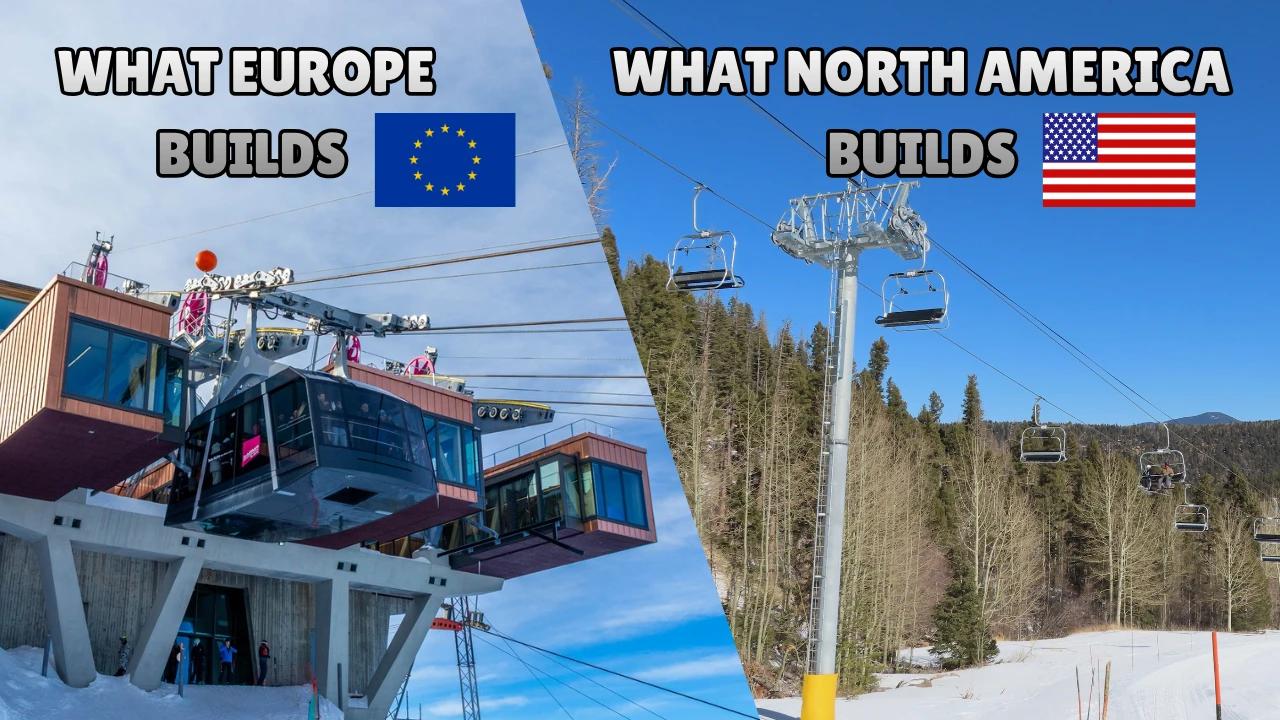
The article from SnowStash argues that the gap between European and North American ski lift infrastructure is not just about “greedy corporations,” but about fundamentally different business structures, priorities, and skiing cultures.
For the 2025/26 season:
The article says the difference is even more obvious when looking at what gets built:
The article argues that North American skiing is dominated by publicly traded corporations like Vail Resorts, where capital spending is judged against shareholder returns and EBITDA margins.
European resorts are often:
That changes incentives dramatically:
The article suggests Wall Street rewards predictable profits more than ambitious infrastructure spending.
One of the strongest themes is that Alpine lift systems are integrated into everyday mountain life.
In Europe:
So in Europe, replacing a good lift with a better lift is considered normal modernization. In North America, replacing a functioning lift early is often seen as financially unnecessary.
The article acknowledges that North American skiing often delivers:
So investment dollars may go toward:
The author implies this partly explains why many hardcore skiers still love places like Alta Ski Area, Jackson Hole Mountain Resort, or Revelstoke Mountain Resort despite older lift systems.
The article also points to:
as major reasons North American lift projects are slower and smaller.
Europe generally has denser mountain infrastructure and a longer history of lift construction, making upgrades easier politically and logistically.
The underlying point is that North America has evolved into a high-margin resort business, while Europe still operates more like a mountain tourism ecosystem.
The result:
Why North American Ski Resorts Don't Invest in Lifts Like Europe
Europe spent 3.4x more on new ski lifts in 2025/26 than North America. The reasons go deeper than corporate greed.
The article from SnowStash argues that the gap between European and North American ski lift infrastructure is not just about “greedy corporations,” but about fundamentally different business structures, priorities, and skiing cultures.
1. Europe massively outspends North America on lift infrastructure
For the 2025/26 season:
- The core Alpine countries (France, Switzerland, Austria, Italy) spent about $1.09 billion on new lifts.
- The U.S. and Canada combined spent only $317 million.
The article says the difference is even more obvious when looking at what gets built:
- Europe installed:
- 27 new 10-person gondolas
- 12 new 8-seat detachable chairs
- multiple ultra-premium tram and 3S systems
- North America installed:
- only 4 gondolas
- zero new 8-pack chairs
- lots of fixed-grip quads.
2. Ownership structure is the biggest reason
The article argues that North American skiing is dominated by publicly traded corporations like Vail Resorts, where capital spending is judged against shareholder returns and EBITDA margins.
European resorts are often:
- municipally owned,
- regionally subsidized,
- locally controlled,
- or operated with long-term tourism goals rather than quarterly profit pressure.
That changes incentives dramatically:
- Alpine resorts invest heavily to improve regional transportation and tourism appeal.
- North American operators prioritize ROI and operational efficiency.
The article suggests Wall Street rewards predictable profits more than ambitious infrastructure spending.
3. Europe treats lifts as public transportation
One of the strongest themes is that Alpine lift systems are integrated into everyday mountain life.
In Europe:
- gondolas often connect villages,
- lifts function as transportation,
- multiple towns share interconnected terrain,
- and resorts compete through infrastructure quality.
So in Europe, replacing a good lift with a better lift is considered normal modernization. In North America, replacing a functioning lift early is often seen as financially unnecessary.
4. North America prioritizes terrain and experience differently
The article acknowledges that North American skiing often delivers:
- less crowding,
- more advanced terrain,
- more avalanche-controlled off-piste skiing,
- and stronger snow quality.
So investment dollars may go toward:
- snowmaking,
- real estate,
- restaurants,
- summer operations,
- or terrain expansion instead of flashy gondolas.
The author implies this partly explains why many hardcore skiers still love places like Alta Ski Area, Jackson Hole Mountain Resort, or Revelstoke Mountain Resort despite older lift systems.
5. Regulation and construction costs matter too
The article also points to:
- U.S. Forest Service permitting,
- environmental review processes,
- labor costs,
- legal liability,
- and fragmented land ownership
as major reasons North American lift projects are slower and smaller.
Europe generally has denser mountain infrastructure and a longer history of lift construction, making upgrades easier politically and logistically.
6. The article’s broader argument
The underlying point is that North America has evolved into a high-margin resort business, while Europe still operates more like a mountain tourism ecosystem.
The result:
- Europe gets breathtaking lift systems and village connectivity.
- North America often delivers stronger snow, steeper terrain, and more wilderness feel — but with infrastructure that can feel outdated relative to ticket prices.
- giant interconnected networks,
- modern gondolas everywhere,
- fewer bottlenecks,
- and lower day-ticket prices despite superior infrastructure.